11 Facts About Dental Bridges Miami Patients Should Know

Missing a tooth can feel like a small thing until you try to chew, smile in a photo, or talk with confidence. If you're searching for dental bridges Miami dentists actually recommend, you're already taking a great step toward getting your smile back. This guide breaks down everything you need to know in plain, simple language, so you can walk into your next appointment feeling informed and ready.
Whether you're a busy parent, a retiree in South Florida, a new Miami transplant, or someone finally ready to fix a gap you've had for years, this article is for you. We'll cover what bridges are, how they work, what they cost, and how to pick the right dental home for your care. At Smile District, this kind of restorative work is part of everyday practice, so let's dig in together.
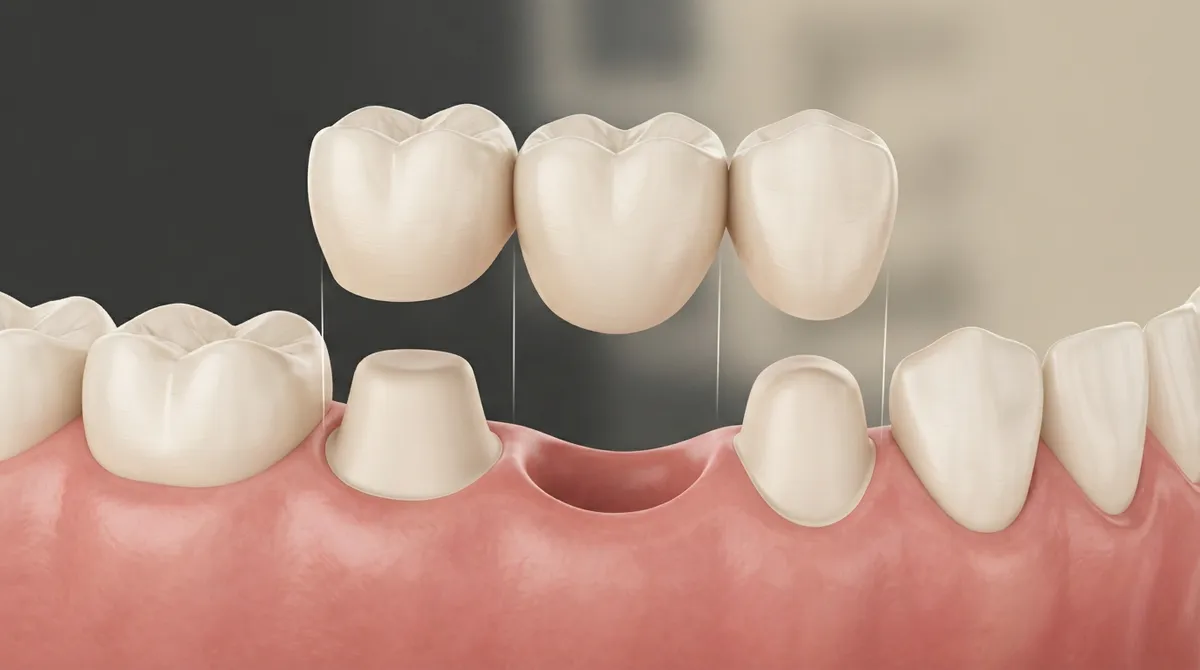
A dental bridge fills the space left by one or more missing teeth. It "bridges" the gap using artificial teeth, called pontics, anchored to your natural teeth or implants on either side. This keeps your bite even, your jaw supported, and your smile complete.
Without a bridge, nearby teeth can shift into the empty space over time. That shifting can lead to bite problems, jaw pain, and even more tooth loss down the road. A bridge stops that chain reaction before it starts.

Tooth loss happens for many reasons. Some are avoidable, some are just part of life. Here are common causes seen across Miami dental offices:
Miami's warm climate means lots of outdoor activity, sports, and social events. That active lifestyle sometimes leads to dental injuries, which is one more reason local patients ask about bridges more often than you might expect.
Not all bridges are built the same way. Your dentist will recommend a type based on your mouth, budget, and long-term goals. Here's a quick rundown:
For a deeper look at each option, our article on types of dental bridges and how they can transform your smile walks through the pros and cons in more detail.
This is one of the most common questions patients ask. Both options replace missing teeth, but they work differently.
If you're curious about the implant route, check out our guide on dental implants or read more about how dental implants work at Smile District in Miami FL. A good dentist will help you weigh both options honestly, based on your bone health, budget, and timeline.
Getting a dental bridge in Miami usually takes two to three visits. Here's the general sequence:
Modern practices use tools like intraoral cameras and 3D imaging to make this process smoother and more accurate. That means fewer surprises and a better fit the first time around.
With good care, a traditional bridge can last 10 to 15 years, sometimes longer. Your habits play a huge role in this. Good daily brushing, flossing under the bridge with a floss threader, and regular checkups all extend its lifespan.
Skipping cleanings or ignoring gum health can shorten that timeline significantly. Think of a bridge like a car. Regular maintenance keeps it running smoothly for years longer than neglect ever would.
Not sure if a bridge is right for you? Watch for these signs:
If any of these sound familiar, it's worth scheduling an exam. The sooner you address a gap, the easier and more affordable treatment tends to be.
Older adults often deal with multiple missing teeth, bone loss, or worn-down enamel. Bridges can restore chewing ability and prevent facial sagging that comes from long-term tooth loss.
For seniors with several missing teeth, a combination of bridges, crowns, or even dentures may be recommended. A trustworthy Miami practice will take time to explain every option clearly, without rushing the conversation or the decision.
Miami is home to a wonderfully diverse population, and dental care should feel welcoming to everyone. Spanish-speaking patients deserve the same clear explanations and warm bedside manner as anyone else walking through the door.
Dr. Sanchez and the team understand this deeply, offering culturally sensitive, compassionate care to patients from all backgrounds across South Florida. Good dental care shouldn't have language or cultural barriers standing in the way.
Bridge pricing varies based on a few key factors:
Many Miami dental offices, including Smile District, offer flexible payment plans to make treatment more accessible. Don't let cost worries stop you from asking questions. A good consultation will lay out your options clearly, with no pressure attached.
Not every dental office approaches restorative work the same way. Here's what to look for when picking a provider:
Smile District checks every one of these boxes, combining modern tools with a genuinely caring approach to restorative dentistry. You can browse our services to see the full range of treatments available, from bridges to dental veneers and beyond.
A dental bridge often works alongside other treatments for the best results. For example, patients sometimes pair restorative work with Invisalign to correct alignment issues, or explore cosmetic dentistry options to fine-tune their overall smile design.
If you're new to the area, establishing care with a dentist who offers family dentistry means your whole household can be seen in one convenient location. That's one less thing to worry about while settling into Miami life.
Nothing builds trust like hearing from people who've been through the process themselves. You can follow along with real patient stories and smile transformations on the Smile District Facebook page or see everyday moments from the practice on the Smile District Instagram page. It's a great way to get a feel for the office culture before you ever book an appointment.
You can also visit us on Google — Smile District to read reviews directly from Miami neighbors who've had their own bridges, implants, and smile makeovers completed right here.
Living with a gap in your smile doesn't have to be permanent. Dental bridges Miami patients trust are designed to restore your bite, protect your remaining teeth, and give you back the confidence to smile freely. Whether you're dealing with one missing tooth or planning a bigger restorative journey, the right team makes all the difference.
As new patients often discover, a warm, judgment-free first visit sets the tone for years of comfortable dental care. Ready to talk through your options? Contact us today, or simply call us at 305-209-2270 to schedule your consultation. Your complete, confident smile is closer than you think.
Q: How much do dental bridges cost in Miami?
A: Costs vary depending on the bridge type, materials, and how many teeth need replacing. The friendly thing to do is book a consultation, where the team can give you a clear, honest estimate with no surprises.
Q: Are dental bridges painful to get?
A: Most patients feel little to no discomfort thanks to local anesthesia and modern techniques. Any soreness afterward is usually mild and fades within a few days, just like after a filling.
Q: How long does a dental bridge last?
A: A well-cared-for bridge typically lasts 10 to 15 years, sometimes longer. Brushing, flossing under the bridge, and keeping up with checkups all help it last as long as possible.
Q: Can I eat normally with a dental bridge?
A: Yes! Once you adjust to it, a bridge lets you chew and eat just like you would with natural teeth. Most patients say meals feel completely normal again within a week or two.
Q: Is a bridge better than an implant?
A: It really depends on your mouth, budget, and goals. Bridges are faster and don't require surgery, while implants tend to last longer and don't rely on neighboring teeth. A good dentist will help you decide together.
Please call 305.209.2270 or click below to schedule an appointment online. We can't wait to meet you!