5 Family Dentistry Mistakes That Hurt Your Loved Ones
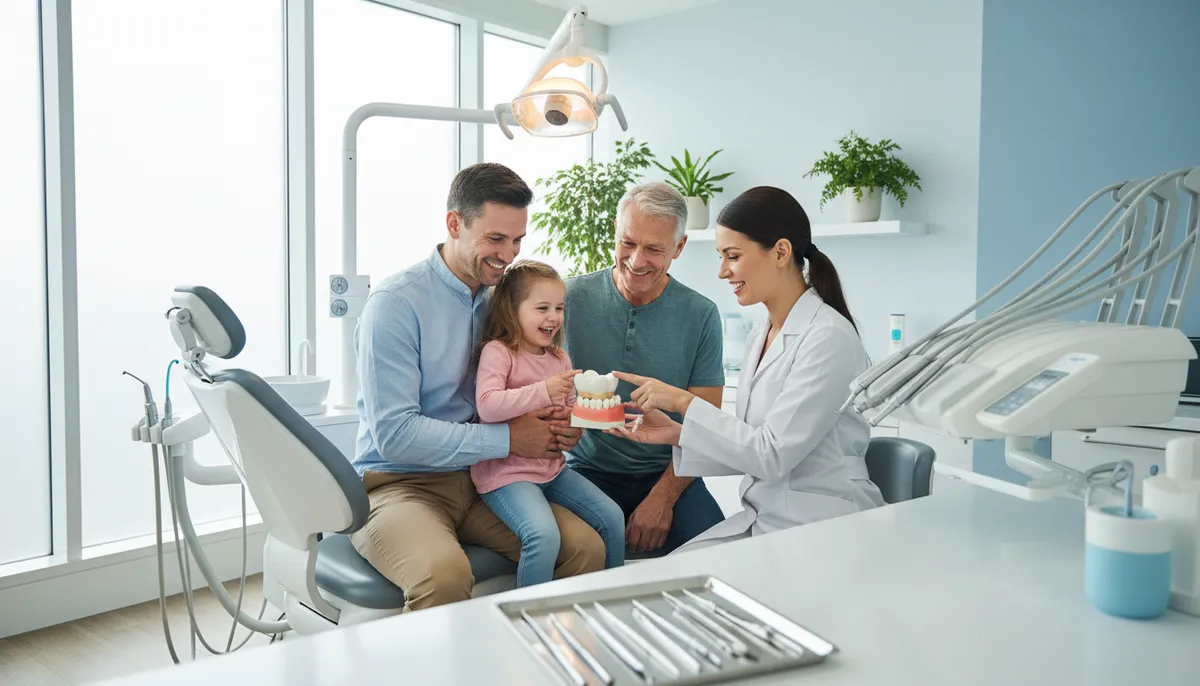
Choosing the right dental care for your family is one of the most important health decisions you'll make. But many families make simple mistakes that put their loved ones' smiles at risk. These errors can lead to painful cavities, gum disease, and costly treatments down the road. The good news? You can avoid these problems with the right information and a trusted dental team by your side.
Family dentistry offers a special kind of care that brings everyone together under one roof. From your toddler's first tooth to your grandparents' dentures, a family dentist handles it all. At Smile District, we've seen families transform their oral health by avoiding common pitfalls. Today, we're sharing the five biggest mistakes families make and how you can steer clear of them. Your family's bright, healthy smiles depend on it!
Let's dive into these critical mistakes and learn how to protect the people you care about most. By the end of this article, you'll have a clear roadmap to better dental health for your entire family.
Family dentistry isn't just about fixing teeth. It's about building relationships that last for decades. Unlike general dentists who focus on adults, family dentists treat patients of all ages, from babies to seniors. This means your entire family can visit the same office, see the same friendly faces, and build trust over time.
Think of a family dentist as your dental home base. They know your family's health history, understand your unique needs, and can spot problems early because they see you regularly. When your child gets nervous about the dentist, your family dentist already knows how to calm them down. When your parent needs special care for their dentures, they're ready to help.
Here's what family dentistry typically includes:
The biggest advantage? Convenience. Imagine scheduling all your family's dental appointments on the same day. No more juggling multiple offices or repeating your medical history over and over. Everything happens in one comfortable, welcoming space where everyone feels like family.
Many parents think baby teeth don't matter because they fall out anyway. This is a huge mistake! Baby teeth hold the space for adult teeth and help children learn to chew and speak properly. When you delay dental visits, problems can grow without anyone noticing.
The American Dental Association recommends that children visit the dentist by age three, or when their first tooth appears. Early visits help your child get comfortable with the dentist's office. They learn that dental care is normal, not scary. Plus, your dentist can catch issues like tooth decay before they become painful emergencies.
Tooth decay is the most common chronic disease in children. It affects more kids than asthma or allergies. When left untreated, cavities can cause pain, infection, and problems eating or sleeping. Your child might miss school or struggle to focus in class. All of this can be prevented with early dental care.
Age Group
Recommended Dental Care
Common Issues to Watch For
Babies (1-3 years)
First dental visit, fluoride treatments, gentle cleaning
Baby bottle tooth decay, teething problems
Children (4-12 years)
Regular cleanings, sealants, cavity prevention
Cavities, thumb sucking effects, crooked teeth
Teens (13-18 years)
Orthodontics, wisdom teeth monitoring, cleanings
Gum disease, wisdom teeth issues, sports injuries
Adults (19-64 years)
Preventive care, cosmetic work, restorations
Gum disease, tooth loss, grinding teeth
Seniors (65+ years)
Denture care, implants, gum disease treatment
Dry mouth, root decay, tooth loss
Starting early also helps you establish good habits at home. Your family dentist can show you how to brush your toddler's teeth properly and what foods to avoid. They become your partner in keeping your child's smile healthy and bright.
Life gets busy. Between work, school, sports, and everything else, dental appointments often get pushed to the bottom of the list. But skipping your regular checkups is like ignoring the check engine light in your car. Small problems turn into big, expensive disasters.
Dentists recommend cleanings and checkups every six months. During these visits, your hygienist removes plaque and tartar that regular brushing can't reach. Your dentist checks for cavities, gum disease, oral cancer, and other issues. They can spot problems when they're still small and easy to fix.
Here's what happens when you skip regular visits:
Prevention is always cheaper and easier than treatment. A routine cleaning costs much less than a root canal or crown. Plus, catching problems early means less pain and fewer trips to the dentist's office. Your family deserves that peace of mind.
At Smile District, we make checkups easy and comfortable. We work with your schedule and help you remember when it's time for your next visit. Our goal is to keep your whole family healthy with minimal stress and maximum smiles.
Brushing your teeth seems simple, right? But many families don't know the proper techniques or what products to use. Without the right education, you might be working hard but not getting the results you need. This mistake leads to cavities and gum problems that could have been prevented.
Your family dentist is more than just someone who fixes problems. They're your teacher and guide for daily oral health. During your visits, they should explain how to brush correctly, how long to brush, and what type of toothbrush works best for each family member. They can show your kids how to floss without hurting their gums and help your parents care for their dentures.
Education also covers diet and lifestyle choices. Did you know that sugary drinks cause more cavities than candy? Or that grinding your teeth at night can crack them over time? Your family dentist helps you understand these connections so you can make better choices every day.
When everyone in your family understands how to care for their teeth, you become a team. Parents can help children develop good habits that last a lifetime. Teens learn to take responsibility for their own oral health. And seniors get the specific guidance they need for dentures or implants.
Don't be afraid to ask questions during your dental visits. A good family dentist welcomes your curiosity and takes time to explain things clearly. The more you know, the better you can protect your family's smiles between appointments.
Some families split up their dental care. The kids go to a pediatric dentist, adults visit a general dentist, and grandparents see a specialist for dentures. While each dentist may be excellent, this approach creates problems. You lose the big picture of your family's oral health.
Family dentistry in 2026 focuses on comprehensive care under one roof. When one dentist treats everyone, they can spot patterns and genetic issues that affect multiple family members. Maybe you and your daughter both grind your teeth at night. Or perhaps gum disease runs in your family. A family dentist sees these connections and creates better prevention plans.
The benefits of unified family dental care:
Think about the convenience factor. Instead of driving to three different offices, you schedule one family appointment. Your kids see their parents being brave in the dental chair, which helps them feel less anxious. Everyone gets care from people who truly know them, not strangers reading a chart for the first time.
This approach also helps with family scheduling. When you contact us to book appointments, we can arrange times that work for everyone. Maybe Saturday mornings fit your schedule best, or perhaps you prefer appointments right after school. Family dentistry adapts to your life, not the other way around.
Your mouth isn't separate from the rest of your body. This might sound obvious, but many families don't realize how closely oral health connects to overall wellness. Gum disease doesn't just affect your teeth. It can impact your heart, your blood sugar, and even your brain health.
Research shows strong links between gum disease and serious health conditions. People with untreated gum disease have higher risks of heart disease, stroke, and diabetes complications. Pregnant women with gum problems face increased chances of premature birth. For seniors, poor oral health can lead to pneumonia and other infections.
Your family dentist looks at more than just your teeth and gums. They screen for oral cancer during checkups. They notice signs of vitamin deficiencies, eating disorders, and other health issues that show up in your mouth. Sometimes, your dentist is the first person to spot a problem that needs medical attention.
Health Condition
Connection to Oral Health
Prevention Strategy
Heart Disease
Bacteria from gum disease enters bloodstream
Regular cleanings, good home care
Diabetes
High blood sugar worsens gum disease
Control blood sugar, frequent dental visits
Pregnancy Complications
Gum inflammation affects pregnancy hormones
Extra cleanings during pregnancy
Respiratory Infections
Bacteria from mouth can reach lungs
Proper oral hygiene, especially for seniors
Taking care of your family's teeth means taking care of their whole body. When you make oral health a priority, you're investing in longer, healthier lives for everyone you love. This perspective changes everything about how you approach dental care.
Not all family dentists are created equal. Finding the right one for your family takes some research, but it's worth the effort. You want someone who combines skill with genuine care, someone who makes every family member feel safe and respected.
Start by looking for a dentist with experience treating all age groups. They should have special training in pediatric care, cosmetic dentistry, and senior oral health. Check their credentials and read reviews from other families. What do people say about their experiences? Do they mention feeling welcomed and heard?
Key qualities to look for in a family dentist:
Location matters too. Choose a dentist close to home or along your regular route. This makes it easier to keep appointments and handle emergencies quickly. A convenient location means you're more likely to maintain regular checkups instead of postponing them.
Meet Dr. Sanchez at Smile District, who understands the unique needs of Miami families. Born in Cuba and trained at Western University of Health Sciences, Dr. Sanchez brings both expertise and compassion to every patient. She's won awards for her work and dedicates herself to creating a stress-free environment where families thrive.
Living in Miami brings unique dental challenges that families should understand. The humid climate, local water quality, and diverse diet all affect oral health in specific ways. A dentist who knows Miami understands these factors and can guide you accordingly.
Miami's water is fluoridated, which helps prevent cavities. But some families worry about fluoride intake and want guidance on how much is right for their children. Your family dentist can test your water and recommend the appropriate amount of fluoride supplementation if needed.
The Miami lifestyle also plays a role. Our love for Cuban coffee, tropical fruits, and outdoor activities creates both opportunities and challenges for oral health. Sweet cafecitos can contribute to cavities if you don't rinse afterward. Playing beach volleyball might require a custom mouthguard to protect your smile.
Many Miami families come from backgrounds where dental care wasn't easily accessible. This can create anxiety about visiting the dentist or uncertainty about what to expect. A culturally sensitive family dentist helps bridge this gap, making everyone feel understood and respected regardless of their background.
Quality dental care doesn't have to break your budget. In fact, choosing a family dentist can save you significant money over time. When you understand the financial advantages, family dentistry becomes an even smarter choice for your loved ones.
First, prevention costs far less than treatment. Regular cleanings prevent cavities that would require expensive fillings or crowns. Early detection of gum disease means simple treatment instead of costly surgery. By investing in preventive care now, you avoid major expenses later.
Family dentists also offer economies of scale. Many offices provide family discounts or package deals for multiple appointments. When several family members need cleanings on the same day, you might get a better rate than scheduling separate visits. Ask about these options when you book your appointments.
Don't forget the hidden costs of splitting your family's care among multiple dentists. More offices mean more copays, more time off work, more gas money, and more stress. Family dentistry simplifies everything while often costing less overall.
If cost concerns have kept your family from getting regular dental care, talk to your dentist about options. Many practices work with families to create affordable payment plans. Some offer sliding scale fees based on income. Your family's oral health is too important to skip because of financial worries.
The greatest gift family dentistry offers isn't just healthy teeth today. It's the habits and attitudes that last a lifetime. When children grow up seeing dental care as normal and positive, they carry that mindset into adulthood. They teach their own children the same values, creating a legacy of healthy smiles.
Family dentists help you establish routines that work for your household. They understand that every family is different. Maybe your toddler needs extra encouragement to brush before bed. Perhaps your teenager resists flossing. Your dentist can offer specific strategies tailored to your family's unique challenges.
These habits go beyond brushing and flossing. They include making smart food choices, wearing protective gear during sports, and knowing when to seek help for dental pain. They also involve overcoming dental anxiety and seeing your dentist as a helpful partner, not someone to fear.
Steps to build lasting oral health habits as a family:
Remember, your attitude shapes your children's attitude. If you complain about the dentist or show fear, your kids will absorb that message. But if you stay positive and treat dental visits as important but routine, they'll develop a healthy perspective. Your family dentist becomes your partner in this important work.
If you're new to family dentistry, you might wonder what happens during that first appointment. Understanding the process helps everyone feel more relaxed and prepared. A great first visit sets the tone for years of positive dental experiences.
Most family dental offices start with paperwork about medical history, insurance, and current concerns. You'll fill out forms for each family member, noting any allergies, medications, or special needs. This information helps your dentist provide safe, personalized care from day one.
Next comes the meet and greet. The dentist and staff introduce themselves and show your family around the office. This is especially important for children who need to feel comfortable in this new environment. Many practices have toys, games, or TVs to help kids relax during their visit.
Visit Component
What Happens
Typical Duration
Check-in
Complete paperwork and insurance information
10-15 minutes
Exam
Dentist checks teeth, gums, and overall oral health
15-20 minutes per person
Cleaning
Hygienist removes plaque and polishes teeth
30-45 minutes per person
X-rays
Pictures show hidden problems between teeth
5-10 minutes
Consultation
Discuss findings and create treatment plan
10-20 minutes
The actual examination is gentle and thorough. Your dentist looks at each tooth, checks your gums, and screens for any problems. They might take X-rays to see areas that aren't visible during the visual exam. For kids, this might be their first X-ray experience, so the staff explains everything in simple, friendly terms.
After the exam, you'll discuss findings and recommendations. Your dentist explains any problems in plain language and suggests treatment options. They answer all your questions and help you understand what's urgent versus what can wait. There's never any pressure or judgment, just honest guidance to help your family stay healthy.
You now know the five biggest mistakes families make with dental care and how to avoid them. Starting early, keeping regular appointments, learning proper techniques, choosing unified care, and understanding the health connections all work together to protect your loved ones' smiles.
The families we serve at Smile District consistently tell us that choosing family dentistry changed their lives. Parents feel relieved knowing everyone gets quality care in one convenient location. Kids grow up without dental anxiety. Seniors maintain their dignity and comfort with specialized attention. It's all possible when you make oral health a family priority.
Don't wait until pain or problems force you to seek emergency care. Prevention is always easier, cheaper, and less stressful than treatment. Your family deserves the peace of mind that comes from knowing their smiles are healthy and protected.
Ready to give your family the dental care they deserve? New patients are always welcome at our comfortable Miami office. We accept most insurance plans and offer flexible payment options to fit your budget. Dr. Sanchez and our caring team can't wait to meet you and become your partners in lifelong oral health.
Take the first step today by calling us at 305-209-2270 or visiting our website to schedule your family's appointment. See why Miami families trust us with their smiles. Check out patient reviews to hear directly from families just like yours. You can also visit us on Google to read more testimonials and get directions to our convenient location.
Your family's healthy, beautiful smiles start with one simple decision. Make that choice today and enjoy the confidence that comes from knowing you're doing the very best for the people you love most. Follow us on Facebook and Instagram for more oral health tips and updates from our practice. We look forward to welcoming your family to the Smile District community!
Q: What age should my child first visit a family dentist?
A: Your child should visit a family dentist by age three or when their first tooth appears, whichever comes first. Early visits help prevent cavities, establish good habits, and make your child comfortable with dental care. These early checkups catch problems before they become painful or expensive to treat.
Q: How is family dentistry different from a general dentist?
A: Family dentistry treats patients of all ages, from babies to seniors, in one convenient location. Unlike general dentists who focus mainly on adults, family dentists specialize in multi-generational care and understand the unique needs of each age group. This means your whole family can see the same trusted dentist and build long-term relationships.
Q: How often should my family visit the dentist for checkups?
A: Most families should visit the dentist every six months for routine cleanings and checkups. These regular visits help prevent cavities, detect problems early, and keep your family's smiles healthy. Your family dentist might recommend more frequent visits if someone has gum disease or other specific concerns.
Q: Does family dentistry cost more than seeing separate dentists?
A: Family dentistry often costs less overall because you benefit from preventive care, family discounts, and simplified insurance billing. One office handles all your family's needs, saving time and reducing duplicate costs. Prevention through regular visits is always cheaper than treating advanced problems later.
Q: Can a family dentist handle orthodontic needs like braces?
A: Many family dentists offer orthodontic services or work closely with orthodontic specialists to coordinate your family's care. At Smile District, we provide options like Invisalign for teens and adults. If specialized treatment is needed, we'll refer you to trusted partners while continuing to handle your family's general dental care.
Please call 305.209.2270 or click below to schedule an appointment online. We can't wait to meet you!