7 Ways Modern Dental Offices Are Changing Healthcare in 2026
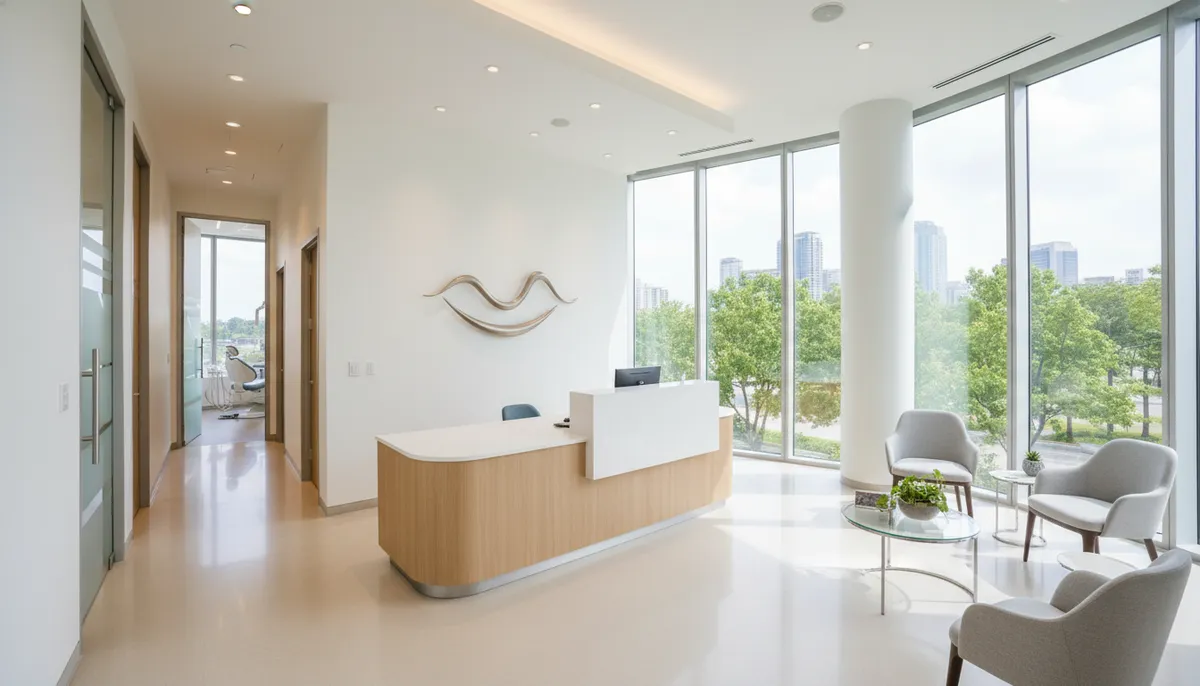
Going to the dentist used to mean waiting in uncomfortable chairs, flipping through old magazines, and wondering when your name would be called. But today's dental offices are nothing like the ones you remember from childhood. In 2026, dental practices are transforming into high-tech, patient-friendly spaces that make oral healthcare easier, faster, and more comfortable than ever before. From AI-powered diagnostics to virtual consultations from your living room, the dental office of today is reshaping how we think about taking care of our teeth.
Whether you're a busy parent trying to schedule appointments for your kids, someone looking to improve your smile, or simply curious about what's new in dentistry, understanding these changes can help you make better decisions about your oral health. Let's explore how modern dental offices are using technology, sustainability, and patient-focused approaches to create better experiences and better outcomes for everyone.
Imagine getting a dental diagnosis in minutes instead of days. That's what artificial intelligence is bringing to dental offices across the country. AI technology now analyzes X-rays and scans to spot cavities, gum disease, and other problems that even experienced dentists might miss with the naked eye. According to recent industry data, practices using AI report diagnosis times that are 30% faster, which means less waiting and quicker treatment plans for patients.
But AI isn't just about speed. It's about accuracy too. These smart systems can detect tiny changes in your teeth and gums over time, catching problems when they're still small and easy to fix. This means fewer painful procedures and lower costs for you in the long run.
Beyond diagnostics, AI is also streamlining the behind-the-scenes work at dental offices. Automated scheduling systems use AI to find appointment times that work for your busy life. Billing software powered by AI reduces errors and makes payment processing smoother. Even patient reminders are getting smarter, sending you texts or emails at just the right time so you never miss a checkup.
At practices like Smile District, combining advanced technology with compassionate care means you get the best of both worlds: cutting-edge diagnostics and a warm, welcoming environment where you're treated like family.
Remember when seeing a dentist meant taking time off work, arranging childcare, and driving across town? Teledentistry is changing that equation completely. Virtual dental consultations let you connect with your dentist through video calls on your phone or computer, making dental care more accessible than ever before.
The numbers tell an impressive story. By 2024, one in five dental patients had used virtual consultations, and adoption rates continue to climb in 2026. This trend is especially helpful for:
Teledentistry is particularly valuable for people with mobility challenges, those living in rural areas, or busy parents who struggle to find babysitters. It's also perfect for seniors who may find it difficult to travel for every appointment. While virtual visits can't replace in-person care for procedures, they make maintaining your oral health much more convenient.
The days of waiting weeks for crowns, dentures, or aligners are fading fast. Three-dimensional printing technology is revolutionizing how dental offices create custom dental work. Instead of sending impressions to an outside lab and waiting for results, many modern practices can now print what you need right in the office.
This technology offers several game-changing benefits:
The precision of 3D printing means better fits, fewer adjustments, and more comfortable results. Plus, when your dental work is created on-site, you can often complete treatment in fewer visits. That means less time in the dental chair and faster results that get you back to your normal life.
For cosmetic procedures like dental veneers, 3D printing allows for incredibly precise customization that looks natural and feels comfortable from day one.
More dental offices are going green, and it's not just good marketing—it's good healthcare. Sustainable dental practices are adopting environmentally friendly approaches that also benefit patients directly. From reducing harmful chemicals to cutting down on waste, these changes create healthier environments for everyone.
Here's what eco-friendly dental offices are doing differently:
These sustainable practices matter because they align with what patients want. Many people today prefer to support businesses that care about environmental impact. When you choose a dental office committed to sustainability, you're supporting practices that think about long-term health—both yours and the planet's.
The shift to digital workflows also means less clutter, better organization, and fewer chances for errors in your medical records. Everything is stored securely and can be accessed instantly when needed.
Modern dental offices understand that clinical excellence isn't enough—patients want convenience, transparency, and respect for their time. In 2026, the patient experience has become just as important as the quality of dental work itself.
Today's dental practices are focusing on several key areas to improve your visit:
Experience Element
Traditional Approach
Modern Approach
Scheduling
Phone calls during business hours
24/7 online booking with instant confirmation
Wait Times
30-60 minute waits common
Optimized scheduling for minimal waiting
Pricing
Unclear until after service
Transparent upfront cost estimates
Hours
Monday-Friday, 9-5
Extended hours, evening and weekend options
Communication
Phone tag with office staff
Text reminders, email updates, patient portals
Transparent pricing is particularly important. Nobody likes surprise bills, especially for healthcare. Progressive dental offices now provide clear cost estimates before treatment begins and offer various payment options to fit different budgets. Many practices accept health savings accounts, offer in-house payment plans, and work with financing companies to make care affordable.
The physical environment is changing too. Modern waiting rooms feature comfortable seating, refreshments, entertainment options, and calming design elements. Some offices even offer amenities like massage chairs, noise-canceling headphones, or virtual reality headsets to help anxious patients relax.
At Smile District, creating a stress-free, welcoming environment is part of the mission. From the moment you walk in, you'll notice the difference in how patient-focused care feels.
The role of dental hygienists is expanding significantly in 2026, and this benefits patients in meaningful ways. Hygienists are no longer limited to just cleanings—they're taking on broader responsibilities that improve access to care and create more collaborative treatment approaches.
In many states, dental hygienists can now perform procedures that previously required a dentist, including:
This expanded scope means you might be able to complete more of your dental care in a single visit. It also creates opportunities for more personalized attention. While the dentist focuses on complex procedures and treatment planning, hygienists can spend more time on preventive education, answering your questions, and helping you develop better home care routines.
For family dentistry practices, having skilled hygienists who can work more independently means better service for families with multiple members who need care during the same visit.
Behind the scenes of every efficient dental office is powerful practice management software that keeps everything running smoothly. In 2026, these systems have become incredibly sophisticated, integrating every aspect of the patient experience into one seamless platform.
Modern dental software connects these essential functions:
For patients, this integration means fewer repeated questions, less paperwork, and better coordination of care. Your dental history, X-rays, treatment plans, and billing information are all connected, so any team member can quickly access what they need to help you.
The analytics capabilities of modern software also benefit patients indirectly. When a dental office can identify patterns—like which appointment times have the shortest wait times or which procedures need more time allocated—they can optimize scheduling to serve you better.
Security is built into these systems too. Your personal health information is protected with encryption and secure access controls that exceed HIPAA requirements, giving you peace of mind that your data is safe.
With all these advances, how do you choose the right dental office for your needs? Here are some questions to ask:
If you're looking for dental implants, cosmetic dentistry, or comprehensive family care, finding a practice that combines advanced technology with genuine compassion makes all the difference.
These seven transformations in dental offices aren't just about convenience—they directly impact the quality of care you receive. Faster diagnoses mean catching problems earlier. Virtual visits mean better access to professional advice. Custom 3D-printed solutions mean better-fitting, longer-lasting dental work.
The integration of all these advances creates a healthcare experience that's more personalized, more efficient, and more effective. Whether you need routine preventive care, restorative work, or cosmetic enhancements like Invisalign, modern dental offices are equipped to provide better results with less hassle.
For families, these improvements are especially valuable. Parents can schedule multiple family members efficiently, consult with dentists virtually about minor concerns, and feel confident that their children are receiving the most advanced preventive care available. The focus on creating comfortable, stress-free environments helps kids develop positive associations with dental visits that last a lifetime.
The dental office of 2026 represents a dramatic shift from the past. What once felt clinical and impersonal now feels welcoming and patient-centered. What used to require multiple visits and long waits can often be completed in a single appointment. What seemed scary or uncomfortable is now managed with advanced techniques that prioritize your comfort.
These changes reflect a broader transformation in healthcare: the recognition that patient experience, accessibility, and prevention are just as important as technical expertise. When dental practices invest in technology, sustainability, and staff development, everyone benefits.
Dr. Ivette Sanchez understands this from personal experience. Growing up in an underserved community, she saw firsthand how quality dental care could be life-changing. That's why at Smile District, the focus is on combining the latest technology with the warmth and compassion that makes patients feel truly cared for. You can learn more about her approach by visiting Dr. Sanchez's page.
Visit us on Google to see what our patients are saying about their experiences with modern, patient-focused dental care.
The innovations transforming dental offices in 2026 aren't coming someday—they're available right now. From AI-powered diagnostics to eco-friendly practices, from teledentistry to 3D printing, these advances are making dental care more accessible, comfortable, and effective for everyone.
Whether you're overdue for a cleaning, considering cosmetic improvements, or looking for a dental home for your family, choosing a practice that embraces these modern approaches can make a real difference in your oral health and overall wellbeing. Don't wait to experience the benefits of contemporary dental care.
If you're in the Miami area and looking for a dental office that combines cutting-edge technology with genuine compassion, we'd love to welcome you. Get in touch with our team or call us at 305-209-2270 to schedule your visit and discover how modern dentistry can transform your smile and your experience.
Connect with us on social media to stay updated on the latest in dental care: Smile District Facebook page and Smile District Instagram page. We share helpful tips, patient stories, and updates on new services that can benefit your whole family.
Q: What are the biggest technology changes in dental offices in 2026?
A: The biggest changes include AI-powered diagnostics that make diagnoses 30% faster, teledentistry for virtual consultations, and 3D printing for same-day crowns and custom dental work. These technologies make dental care more convenient, accurate, and efficient while improving patient experiences.
Q: Can I really see a dentist without going to the office?
A: Yes! Teledentistry allows you to have virtual consultations through video calls for many situations like follow-up visits, treatment planning discussions, and determining if symptoms need in-person care. By 2024, one in five patients had used virtual dental consultations, and this number continues to grow.
Q: How does AI help with dental diagnoses?
A: AI analyzes X-rays and scans to detect cavities, gum disease, and other problems that might be missed by the human eye alone. It can spot tiny changes over time and identify issues earlier when they're easier and less expensive to treat, all while reducing diagnosis time by about 30%.
Q: What makes a dental office eco-friendly?
A: Eco-friendly dental offices use digital X-rays instead of chemical-based film, install water-saving equipment, go paperless with digital records, and choose biocompatible materials for dental work. These practices reduce waste, lower chemical exposure, and create healthier environments for patients and staff.
Q: How can I find a modern dental office that uses the latest technology?
A: Look for practices that mention AI diagnostics, 3D printing, digital imaging, and teledentistry on their websites. Ask about their technology during initial consultations and check patient reviews for mentions of modern equipment and efficient processes. A practice committed to innovation will be proud to discuss their technological capabilities.
Please call 305.209.2270 or click below to schedule an appointment online. We can't wait to meet you!