8 TMJ Treatment Mistakes: Botox vs Traditional Fixes
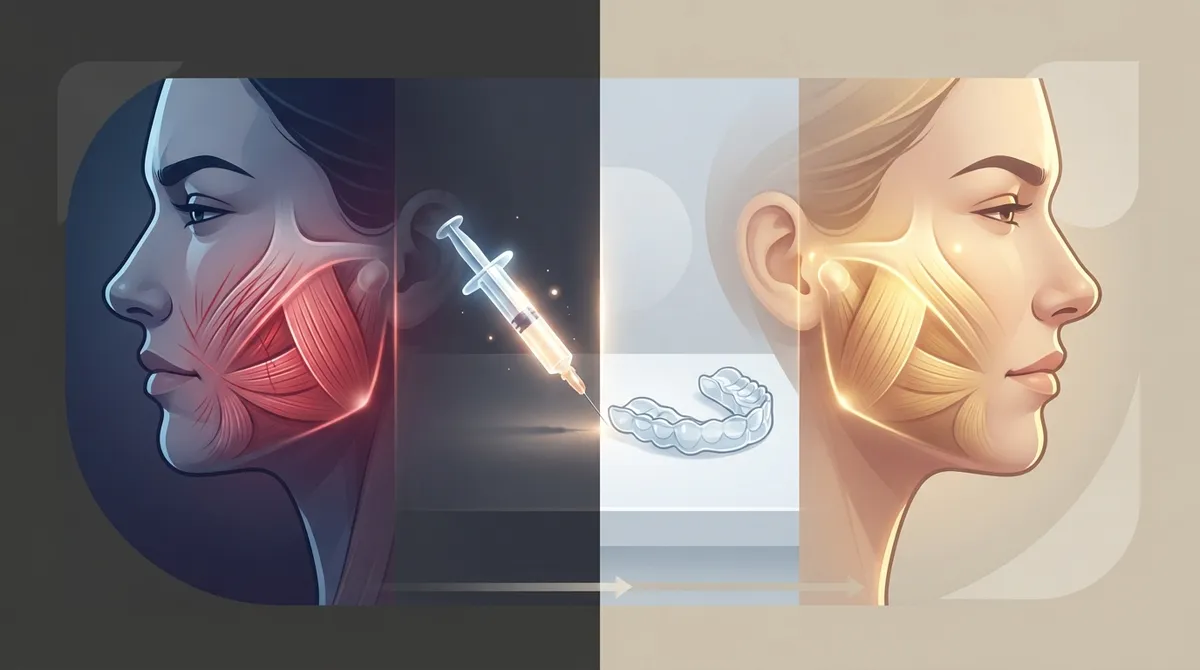
Does your jaw click, pop, or ache every morning when you wake up? You are not alone. Thousands of Miami residents live with TMJ pain, and many make the same mistakes when trying to fix it. Some jump straight to Botox without understanding their options. Others stick with old-school treatments that never quite solve the problem. Today, we are breaking down the real differences between Botox for TMJ and traditional treatment methods, so you can avoid the common pitfalls and finally get relief.
At Smile District, we see patients every week who are frustrated after trying treatment after treatment with little success. The good news? Understanding your choices makes all the difference. Let's walk through the mistakes people make and how you can sidestep them on your way to a pain-free smile.

TMJ stands for temporomandibular joint, the hinge connecting your jawbone to your skull. When this joint gets irritated or misaligned, it causes TMJ disorder, often just called TMJ. Symptoms include jaw pain, headaches, clicking sounds, and even neck stiffness.
Many people assume their jaw pain is just stress or a bad night's sleep. This mistake delays proper care and lets the problem get worse. If you notice frequent jaw soreness or trouble chewing, it's time to talk to a dental professional who understands both cosmetic and restorative dental care.

Traditional TMJ treatments have been around for decades. They include things like:
These methods work well for many patients, especially those with mild symptoms. However, some people assume traditional treatment is automatically gentler or safer than Botox. That's not always true. Splints can take months to show results, and some bite adjustments are permanent and irreversible. Every treatment carries its own considerations, which is why a personalized plan matters so much.
Here's a mistake we hear all the time. People think Botox is strictly cosmetic. In reality, Botox has real medical uses, including easing TMJ pain. When injected into the jaw muscles, Botox relaxes tight, overworked muscles that cause clenching and grinding.
According to the U.S. Food and Drug Administration, Botox injections have been studied for various muscular conditions beyond cosmetic use. For TMJ patients, this means less clenching, reduced headaches, and a more relaxed jaw within days rather than weeks.
Botox blocks nerve signals to the muscles it's injected into. For TMJ sufferers, this means the powerful jaw muscles (specifically the masseter muscles) stop overworking. Less muscle tension means less pressure on the joint itself, which reduces pain and clicking.
One of the biggest points of comparison between Botox for TMJ vs traditional treatment is how long relief lasts. Let's break it down simply:
Skipping this comparison is a common mistake. Patients often choose based on cost alone without factoring in how often they'll need follow-up care. Botox requires repeat visits a few times a year, while a night guard is a one-time investment that needs replacement occasionally.
Many patients assume they must choose one treatment or the other. That's simply not true. Some of the best results come from combining approaches. For example, wearing a night guard while also receiving Botox injections can address both the mechanical grinding and the muscle tension causing your symptoms.
Dr. Sanchez and the team frequently design custom treatment plans that blend multiple solutions. This is part of what makes why choose Smile District such an important question for patients dealing with complex jaw pain. A one-size-fits-all approach rarely solves TMJ completely.
TMJ pain is often connected to how your teeth fit together. Misaligned bites put extra strain on the jaw joint, leading to chronic discomfort. If your treatment plan only addresses the muscle pain without looking at your bite, you might be missing the root cause.
This is where cosmetic and restorative dentistry come into play. Treatments like Invisalign can gradually shift your teeth into better alignment, reducing strain on the jaw over time. For patients with more significant bite issues, cosmetic dentistry solutions may also help balance your bite while improving your smile's appearance.
If any of these sound familiar, it's worth discussing your bite alignment during your next dental visit.
Not every dental office offers TMJ treatment, and not every provider has experience with Botox injections for jaw pain. This is a big mistake patients make: assuming any dentist can handle both traditional and Botox-based TMJ care equally well.
You want a provider who understands the full picture, from bite mechanics to muscle relaxation techniques. At Smile District, our team combines advanced technology like digital X-rays and 3D imaging with a compassionate, patient-first approach. This lets us build a treatment plan that actually fits your specific jaw structure and pain patterns, rather than guessing.
Curious what other patients have experienced? Check out patient reviews to see how personalized care has helped people just like you find relief from chronic jaw pain.
This might be the biggest mistake of all. TMJ pain rarely gets better on its own. In fact, waiting often makes symptoms worse, leading to chronic headaches, worn-down teeth, and even changes in your facial structure over time.
The sooner you talk to a dental professional, the more treatment options you'll have available. Early intervention often means simpler, less invasive solutions. Waiting years to seek help sometimes means dealing with more complex dental work down the road, including restorative treatments for damaged teeth.
So how do you decide which path is right for you? Here's a simple way to think about it:
No two patients are exactly alike, which is why a thorough evaluation matters so much. Our team takes time to understand your specific symptoms, lifestyle, and goals before recommending any treatment plan.
Walking into a dental office for jaw pain can feel intimidating if you don't know what to expect. Here's a general idea of the process:
This process ensures you're not just guessing at solutions. You'll leave with a clear understanding of your options and next steps.
Living in Miami means dealing with a fast-paced lifestyle, and stress-related jaw clenching is more common than people realize. Whether you're a longtime local or one of the many new patients who recently moved to the area, finding a dental home that understands TMJ care matters.
Dr. Sanchez and her team bring years of experience treating jaw pain alongside cosmetic and restorative needs. We believe in treating the whole patient, not just the symptom in front of us. That means looking at your overall oral health, your bite, and your comfort level every step of the way.
Want to see what our community is saying? Follow us on the Smile District Facebook page or check out real patient transformations on our Smile District Instagram page. You can also read honest feedback and visit us on Google — Smile District to see what our neighbors in Miami have to say about their experience.
Jaw pain doesn't have to be something you just live with. Whether Botox, traditional treatment, or a combination approach is right for you, the first step is getting an honest evaluation from a team who genuinely cares about your comfort. According to the National Institute of Dental and Craniofacial Research, TMJ disorders affect millions of Americans, and proper diagnosis is key to effective treatment.
We know how frustrating chronic jaw pain can feel. That's exactly why our team takes the time to listen, explain your options clearly, and design a plan that fits your life. Ready to stop guessing and start feeling better? Get in touch with our team today, or simply call us at 305-209-2270 to schedule your TMJ consultation. Your comfortable, pain-free smile is closer than you think.
Q: Is Botox for TMJ covered by dental insurance?
A: It really depends on your specific plan and provider. Some insurance companies consider it medically necessary and offer partial coverage, while others treat it as elective. We're happy to help you understand your options when you visit our Miami office.
Q: How long does Botox for TMJ relief typically last?
A: Most patients enjoy relief for about three to four months per treatment. After that, a follow-up injection helps maintain those relaxed, comfortable results. Many folks find their symptoms become more manageable with each treatment cycle.
Q: Can I combine Botox with a night guard for TMJ?
A: Absolutely, and many patients find this combination works wonderfully. The night guard protects your teeth from grinding while Botox relaxes the muscles causing tension. Your dentist can help design a plan that uses both approaches together.
Q: Is Botox for TMJ painful?
A: Most patients describe it as a quick pinch, similar to a routine injection. The whole process usually takes just a few minutes, and there's little to no downtime afterward. Many people head right back to their day after treatment.
Q: How do I know if I need traditional treatment or Botox for my TMJ?
A: The best way to know is through a proper evaluation with a dental professional experienced in TMJ care. They'll look at your bite, muscle tension, and symptom severity to recommend the right path. Every jaw is a little different, so personalized care really does matter.
Please call 305.209.2270 or click below to schedule an appointment online. We can't wait to meet you!