9 Ways Veneers vs Dental Bonding Compare in 2026
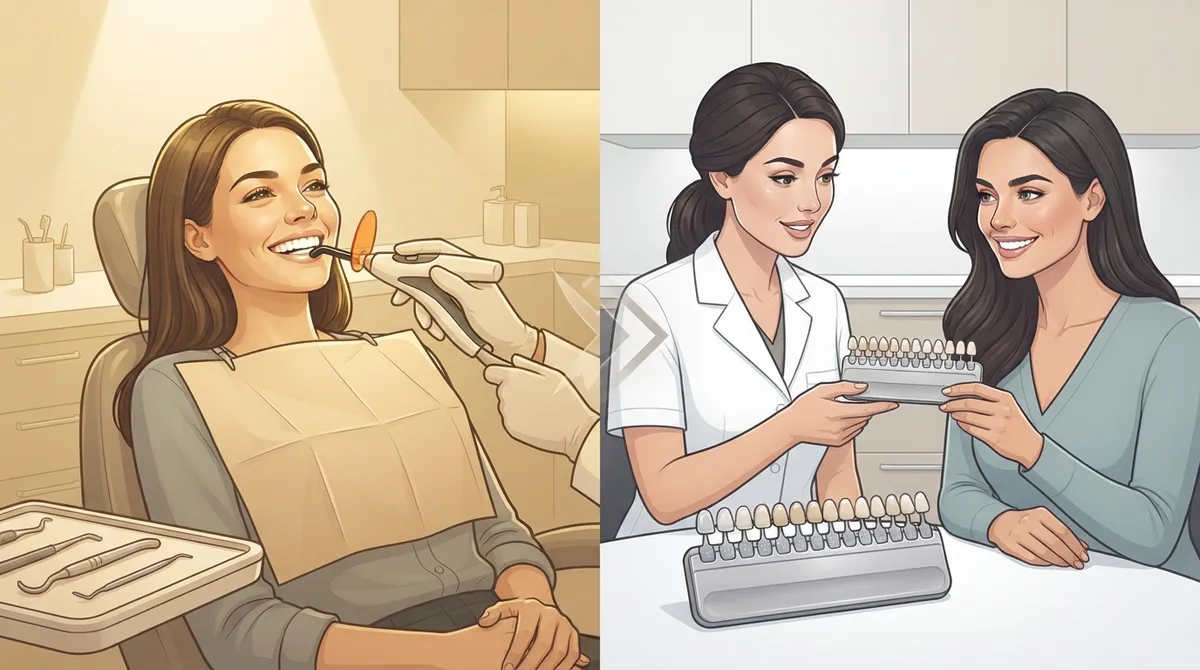
Thinking about fixing a chipped tooth or brightening your smile? You've probably landed on two popular options: veneers and dental bonding. Both can work wonders, but they're not the same thing. Choosing between them can feel confusing, especially with so much information out there.
Here's the good news. You don't have to figure this out alone. At Smile District in Miami, our team helps patients understand their options every single day. Whether you're a busy professional wanting a quick fix or someone dreaming of a full smile makeover, this guide breaks down everything you need to know about veneers vs dental bonding. Let's dig in together and find what fits your smile, your budget, and your life.

Veneers are thin shells, usually made from porcelain or composite resin, that get bonded to the front of your teeth. Think of them like a custom-made cover that hides imperfections. They're built to match the shape and color you want.
Most veneers require a small amount of enamel removal before placement. This helps them sit naturally against your gums and neighboring teeth. Once placed, porcelain dental veneers can last 10 to 15 years or longer with good care.

Dental bonding uses a tooth-colored resin material applied directly to your tooth. Your dentist shapes it, hardens it with a special light, and polishes it to blend in. No lab work. No waiting weeks for a custom piece.
Bonding is often used for small chips, gaps, or minor discoloration. It's one of the fastest cosmetic fixes in dentistry. Many patients walk in with a flaw and walk out an hour later with a fixed tooth.
Let's break down the biggest differences so you can see them side by side:
Understanding these differences helps you weigh what matters most: speed, cost, or long-term durability.
Not every dental issue needs the same solution. Here's a simple breakdown of common concerns and which treatment tends to work better:
If you're unsure which category your smile falls into, our team can walk you through the options during a consultation. Many patients find that combining treatments, like veneers on front teeth and bonding on smaller flaws, gives the most natural result.
Money matters, and we get that. Dental bonding tends to cost less per tooth compared to veneers. It's often a great starting point if you're working with a tighter budget or just want to test cosmetic dentistry before committing to something bigger.
Veneers require more time, materials, and lab work, so they carry a higher price tag. But many patients see them as an investment since they last so much longer. Think of it like buying a quality pair of shoes versus a cheaper pair you'll replace twice as often. Both get the job done, but the value adds up differently over time.
Every smile is different, so pricing varies based on how many teeth you're treating and your specific goals. Our team at Smile District offers personalized consultations so you know exactly what to expect before starting any treatment.
Let's talk lifespan, because this is where the two treatments really diverge:
Habits like nail-biting, chewing ice, or grinding your teeth at night can shorten the lifespan of either option. If you're prone to these habits, mention it during your visit so we can recommend the right protective measures, like a nightguard.
Curious what your appointment will look like? Here's a simple walkthrough for both treatments.
At Smile District, we use advanced technology like digital scans and intraoral cameras to make this whole process smoother and more comfortable. It's one of the many reasons Miami patients trust why choose Smile District for their cosmetic dentistry needs.
Whichever option you choose, good habits keep your results looking great for years. Here are simple tips to protect your investment:
Routine visits let your dentist catch small issues before they become bigger problems. This is especially true for bonding, which can chip more easily than porcelain veneers. If you're due for a cleaning or checkup, our team welcomes new patients looking for consistent, friendly care.
So how do you actually decide? Start by asking yourself a few questions. Are you fixing one small flaw or transforming your whole smile? Do you want the fastest, most budget-friendly fix, or are you ready to invest in something that lasts over a decade?
If you're newly moved to Miami and just getting settled with a dental provider, this is also a great time to establish care with a team that understands your goals long-term. Many patients start with bonding for a quick improvement, then later choose veneers when they're ready for a bigger transformation.
For patients considering a full cosmetic dentistry makeover, our smile design process combines whitening, veneers, and bonding based on what your smile actually needs. It's not one-size-fits-all. It's tailored to you.
We also work closely with patients exploring related treatments like Invisalign for alignment issues before cosmetic work, or those needing more extensive repair through dental implants. Every treatment plan starts with understanding your unique smile goals and oral health history.
Dr. Ivette Sanchez and the team at Smile District believe every patient deserves a comfortable, judgment-free experience. Whether you're nervous about dental work or simply want honest guidance on veneers vs dental bonding, we take time to explain your options clearly. Learn more about Dr. Sanchez and her approach to compassionate, patient-first dentistry.
We also know trust is built over time. That's why we encourage you to explore patient reviews and hear directly from people who've walked this same path. You can also visit us on Google — Smile District to see what our community says about their experience.
For those balancing dental care alongside other life priorities, it's worth mentioning that Miami is full of great local resources. If you're planning a staycation after your smile makeover, Panther Pools offers beautiful backyard pool designs perfect for relaxing once your new smile is ready to show off. And if travel is on your radar, the International Driving Permit Association (IDPA) can help you get road-ready for trips abroad.
According to the American Dental Association, cosmetic dentistry choices should always align with your long-term oral health goals, not just quick fixes. That's the same philosophy we follow here in Miami.
Stay connected with us and see real smile transformations by following the Smile District Facebook page or checking out before-and-after photos on the Smile District Instagram page.
Choosing between veneers vs dental bonding doesn't have to be stressful. With the right guidance, you can pick the option that fits your goals, your timeline, and your budget. Our services are designed to give Miami patients real answers and real results.
Ready to talk through your options with someone who genuinely cares? Contact us today, or simply call us at 305-209-2270 to schedule your consultation. Your best smile is closer than you think.
Q: Is dental bonding as strong as veneers?
A: Not quite, but that's okay! Bonding works great for small fixes, while veneers hold up better for bigger changes over many years. Think of bonding as a quick patch and veneers as a long-term upgrade.
Q: Can I switch from dental bonding to veneers later?
A: Absolutely, many patients start with bonding and move to veneers down the road. It's a totally normal path, and our team can help you plan that transition whenever you're ready.
Q: Does insurance cover veneers or dental bonding?
A: Since both are usually considered cosmetic, insurance coverage varies quite a bit. We're happy to walk you through your specific plan and payment options during your visit.
Q: How do I know if I need veneers or just bonding?
A: It really depends on how many teeth need work and how dramatic a change you want. A quick consultation with our team makes this decision so much easier and less overwhelming.
Q: Will veneers or bonding look natural?
A: Yes, both are designed to blend seamlessly with your smile. Our team carefully matches shade, shape, and texture so your results look completely natural, not fake or overdone.
Please call 305.209.2270 or click below to schedule an appointment online. We can't wait to meet you!