Can Invisalign Fix an Overbite? What Miami Patients Should Know
If you catch yourself covering your smile in photos or feel your teeth just don't line up right, you're not alone. So many of our patients here in Miami ask the same question: can Invisalign fix an overbite? The short answer is yes, in many cases it absolutely can. But like most things in dentistry, the full answer depends on your unique smile, your bite, and your goals. Let's break it down together, in plain language, so you can feel confident about your next step.
An overbite is one of the most common bite issues dentists see. It happens when your upper teeth extend too far over your lower teeth. For years, metal braces were the only fix. Now, clear aligners like Invisalign offer a more comfortable, nearly invisible way to correct many overbites. Whether you're a busy professional in Miami or a parent juggling a packed schedule, this guide will help you understand what's possible, what to expect, and how Smile District can help you get there.

An overbite means your top front teeth sit too far forward over your bottom teeth. A small amount of overlap is normal and healthy. But when the gap becomes too large, it can cause real problems beyond just the way your smile looks.
There are actually two types of overbite dentists talk about:
Knowing which type you have matters a lot when it comes to treatment. Dental overbites usually respond well to Invisalign. Skeletal overbites, especially more severe ones, sometimes need a combination of approaches. This is exactly why a proper evaluation with a dentist matters before you start any treatment plan.

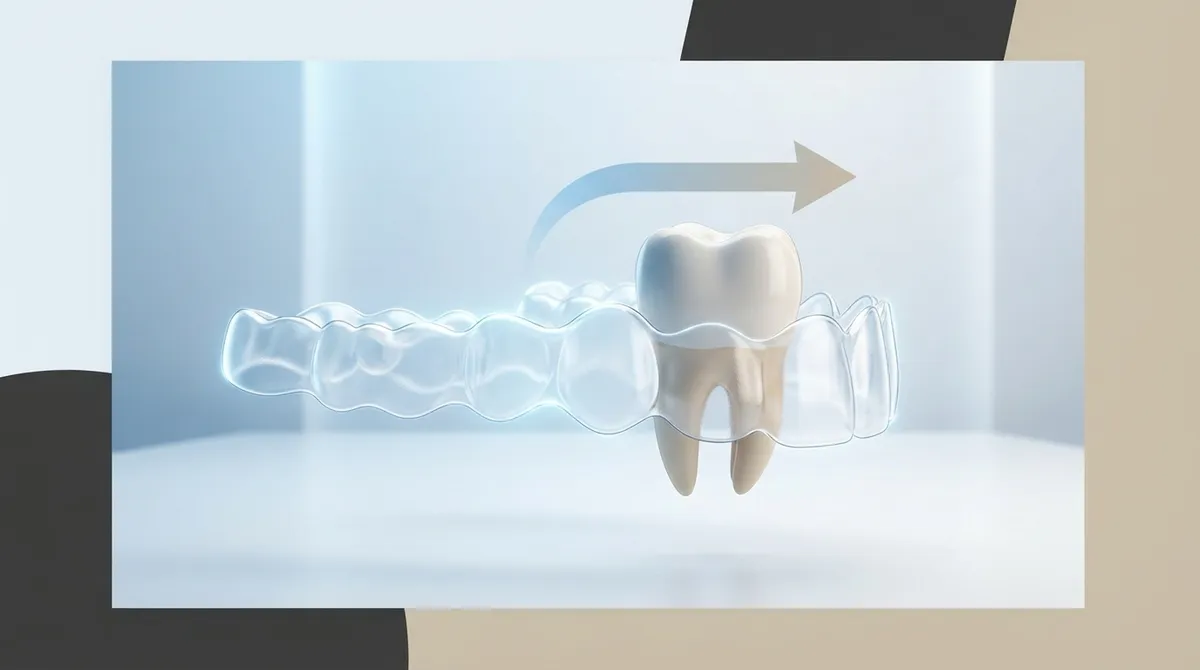
Yes, Invisalign can fix many overbites, especially mild to moderate cases. The clear aligner trays gently and gradually shift your teeth into better positions over time. As the teeth move, your bite starts to align more naturally, and that annoying overlap starts to shrink.
According to the American Dental Association, clear aligner therapy has become a widely accepted option for correcting many types of bite misalignment, including overbites, when the case is properly assessed and monitored by a dental professional. This is good news if you've been putting off treatment because you dreaded the idea of metal brackets and wires.
Here's what makes Invisalign such a great option for correcting overbites:
At Smile District, we use advanced imaging like 3D cone beam scans to map out your bite before we ever start treatment. This lets Dr. Sanchez create a plan that's tailored to your specific overbite, not a one-size-fits-all approach.
This is where things get a little more nuanced. Invisalign works wonderfully for mild to moderate overbites. But for very severe skeletal overbites, sometimes traditional braces or a combination of orthodontic treatment and jaw surgery may be recommended instead.
The good news? Most overbites patients come in worried about fall into the mild to moderate range. A thorough exam is really the only way to know for sure where you stand. That's why we always recommend starting with a consultation rather than guessing based on what you read online (even a helpful article like this one).
Not sure if your bite qualifies as an overbite that needs attention? Here are some common signs we hear from patients:
If any of these sound familiar, it's worth scheduling a visit. Left untreated, overbites can sometimes lead to more wear and tear on your teeth, jaw discomfort, and even gum issues over time.
We know starting any new dental treatment can feel a little intimidating, especially if you've never done anything like this before. Here's a simple breakdown of what the process typically looks like at Smile District:
Many patients find the whole experience much more comfortable than they expected. There's no metal poking your cheeks, and you can take the trays out for special occasions, dinner dates, or that big work presentation.
Choosing where to get your Invisalign treatment matters just as much as choosing the treatment itself. At Smile District, we combine advanced technology with a genuinely warm, welcoming approach to care. Dr. Sanchez takes time to explain every step, so you always know what to expect and why.
We understand Miami is a busy, vibrant city, and your time matters. That's part of why we focus on efficient, comfortable visits without ever rushing your care. Whether you're new to the area or you've called Miami home your whole life, our team is here to make your smile journey feel easy and even enjoyable.
Our patients often tell us how much they appreciate the personal attention they get here, something you can see for yourself by browsing our patient reviews or checking out real results on our Smile District Instagram page. You can also connect with our growing community on our Smile District Facebook page to see updates, tips, and patient stories firsthand.
Here's something we love about Invisalign: it doesn't just fix your bite, it often improves your whole smile at the same time. Many patients come in wanting to correct an overbite and leave with straighter teeth, better alignment, and a more confident smile overall.
If you're also interested in enhancing your smile further, Invisalign pairs well with other treatments we offer, including dental veneers for a polished finish, or general cosmetic dentistry services designed to give you the full smile makeover you've been dreaming about. And if tooth loss or damage is part of your story too, we also offer dental implants to restore both function and appearance.
Every smile is different, which is why we never recommend guessing when it comes to your bite. The best way to find out if Invisalign can fix your overbite is a simple, friendly consultation with our team. We'll take a look, answer your questions honestly, and walk you through your options without any pressure.
If you're considering treatment, here are a few factors we'll discuss together:
We also welcome new patients warmly here at Smile District. If you've just moved to Miami or simply haven't found a dental home yet, we'd love to be that place for you. You can explore our full range of services to see everything we offer beyond Invisalign, too.
And speaking of settling into Miami life, if you're also working on home projects while getting your smile sorted out, local pros like Bucheli Trim and BluHalo are trusted names our community turns to for quality craftsmanship and reliable service.
So, can Invisalign fix an overbite? For most patients, the answer is a reassuring yes. With the right evaluation, a personalized plan, and consistent wear, clear aligners can gently guide your bite into a healthier, more comfortable, and more confident position. And you get to do it without a mouth full of metal.
If you've been wondering about your own bite, there's no better time than now to find out your options. Feel free to contact us to schedule your consultation, or simply call us at 305-209-2270 to speak with our friendly team directly. You can also visit us on Google — Smile District to see what our neighbors here in Miami have to say about their experience. We can't wait to help you smile with confidence.
Q: Can Invisalign fix an overbite completely?
A: For mild to moderate overbites, Invisalign can often correct the bite completely with consistent wear and a personalized treatment plan. Severe skeletal overbites may need additional options, so a consultation helps us map out exactly what's possible for your smile.
Q: How long does it take for Invisalign to fix an overbite?
A: Most overbite corrections with Invisalign take anywhere from 12 to 24 months, depending on how significant the overbite is. Every smile moves at its own pace, so we'll give you a personalized estimate at your first visit.
Q: Does Invisalign hurt when correcting an overbite?
A: You might feel some mild pressure for a day or two after switching to a new tray, but most patients say it's far more comfortable than traditional braces. There's no metal or wires poking your cheeks, just gentle, steady movement.
Q: Will I need attachments or rubber bands for my overbite treatment?
A: Many overbite cases benefit from small tooth-colored attachments or rubber bands that help guide your bite into place faster. Don't worry, they're subtle and barely noticeable when you're smiling and talking.
Q: Is Invisalign more affordable than braces for fixing an overbite?
A: Invisalign and traditional braces often fall in a similar price range, though your exact cost depends on the complexity of your overbite. We're happy to walk you through your options and any financing available during your consultation.
Please call 305.209.2270 or click below to schedule an appointment online. We can't wait to meet you!