How Cone Beam Imaging Helps Dental Treatment Succeed
Have you ever wondered how your dentist sees exactly where to place an implant, or spots a hidden problem before it becomes painful? The answer often lies in a powerful piece of technology called cone beam imaging. If you're curious about how cone beam imaging helps dental treatment become safer, faster, and more precise, you're in the right place. This friendly guide breaks it all down in simple terms, so you can walk into your next appointment feeling confident and informed.
At Smile District, patients throughout Miami benefit from this advanced 3D technology every day. Whether you're considering dental implants, need a root canal, or just want a clearer picture of your oral health, cone beam imaging plays a big role in getting you there safely. Let's explore how this smart tool works and why it matters for your smile.

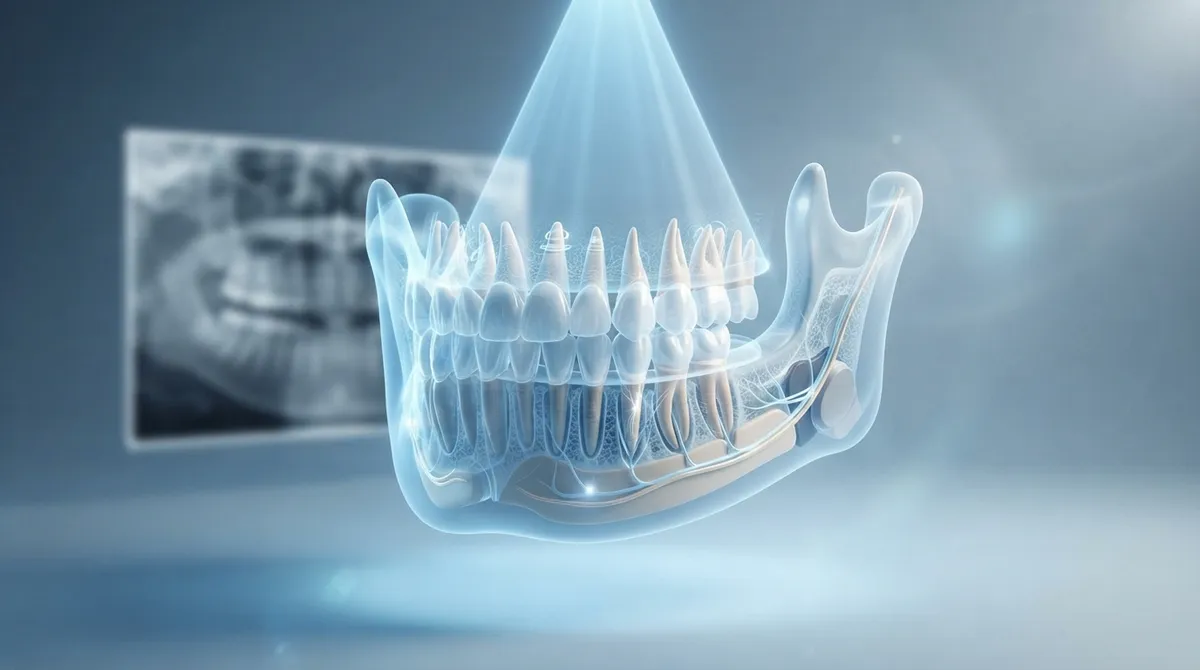
Cone beam computed tomography, often called CBCT or simply cone beam imaging, is a special type of dental X-ray. Unlike a regular X-ray that gives a flat, two-dimensional picture, cone beam imaging creates a full 3D image of your teeth, jaw, nerves, and even your sinuses.
Think of it like the difference between looking at a photo of a house and walking through a 3D model of it. You can see every room, every angle, and every hidden detail. That's exactly what cone beam imaging does for your dentist. It captures hundreds of images in one quick scan and combines them into a detailed 3D map.
This technology has become a game changer for practices offering our services, especially when precision truly matters, like implant placement or complex extractions.

Good treatment starts with good information. Cone beam imaging gives dentists a clear, complete view of what's happening beneath the surface. This means fewer surprises during your procedure and a smoother experience overall.
Traditional X-rays are helpful, but they can't show everything. They flatten your 3D mouth into a 2D image, which sometimes hides important details like the exact position of a nerve or the density of your jawbone. Cone beam imaging fixes this problem by giving your dentist a full, layered view from every angle.
If you're considering dental implants, cone beam imaging is often essential. Your dentist needs to know the exact width, height, and density of your jawbone before placing an implant. This scan shows precisely where nerves and sinus cavities are located, helping avoid complications during surgery.
Many patients researching options can learn more in our article about how do dental implants work at Smile District in Miami FL, which explains the planning process in more detail.
Root canals require pinpoint accuracy. Cone beam imaging helps dentists locate every canal inside a tooth, even the small, curved ones that are easy to miss with standard X-rays. This leads to more successful treatment and less chance of needing a repeat procedure.
Beyond helping your dentist do their job well, cone beam imaging offers real, practical benefits for you as a patient. Here's what makes this technology so valuable:
While cone beam imaging can help almost anyone, certain patients gain the most value from this technology. Here's a closer look at who benefits.
As mentioned, implants require precise measurements. Cone beam imaging shows exactly how much bone is available, which helps determine if you're a good candidate right away or if you might need a bone graft first. This saves time and helps avoid unexpected setbacks. If you're curious whether implants are right for you, our article on Are Dental Implants Safe For Everyone Smile District Explains The Facts offers helpful context.
Miami seniors exploring dentures, bridges, or implants often have unique jawbone conditions due to age or long-term tooth loss. Cone beam imaging gives a clear, honest look at bone health, helping your dentist recommend the safest and most effective restorative option for your specific needs.
If you have impacted wisdom teeth, unusual nerve positioning, or a history of dental trauma, cone beam imaging removes much of the uncertainty. It's especially useful before wisdom teeth removal in Miami, since it shows exactly how the teeth sit near nerves and sinuses.
Believe it or not, cone beam imaging also supports cosmetic work. It helps map out jaw alignment for treatments like Invisalign, ensuring your bite shifts correctly and safely throughout treatment.
Wondering what to expect if your dentist recommends this imaging? Here's a simple breakdown of the process:
The entire appointment, including the scan, typically takes just a few minutes. It's quick, comfortable, and far less intimidating than it might sound.
Cone beam imaging isn't just about one procedure. It helps build a complete, ongoing picture of your oral health over time. This is especially valuable for families and long-term patients who want consistent, reliable care.
Because cone beam scans reveal so much detail, dentists can spot early signs of bone loss, infections, or cysts that might not show any symptoms yet. Catching these issues early often means simpler, less expensive treatment down the road.
For families focused on family dentistry, this technology helps track jaw development in children and teens, making it easier to plan orthodontic treatment at the right time. It's a proactive approach that fits well with a preventive mindset. You can read more about this approach in our guide to preventive vs reactive dental care.
For anyone needing crowns, bridges, or multiple implants, cone beam imaging removes much of the uncertainty from the process. Learn more about how this supports full-mouth restoration in our article on Multiple Tooth Implants How Smile District Brings Your Confidence Back.
This is one of the most common questions patients ask, and it's a great one. Cone beam imaging uses a much lower dose of radiation compared to hospital CT scans, according to the U.S. Food and Drug Administration. For most patients, the benefits of accurate diagnosis far outweigh the minimal exposure involved.
Your dentist will always weigh the need for imaging against your individual health history, ensuring the scan is only used when it truly adds value to your treatment plan.
Not every dental office invests in cone beam technology, but choosing one that does can make a real difference in your care. At Smile District, this technology is part of a broader commitment to precise, comfortable, and modern dentistry led by Dr. Sanchez.
Here's why advanced imaging matters when choosing your dental provider:
Patients moving to Miami or searching for a long-term dental home often appreciate knowing their provider uses tools like these. You can see what real patients have shared in our patient reviews, or check out feedback on our Smile District Facebook page and Smile District Instagram page for a closer look at real smiles and stories.
Cone beam imaging has truly transformed how dental treatment is planned and delivered. From implants to root canals to orthodontics, this 3D technology gives dentists the clarity they need to treat you safely and effectively. For patients, it means fewer surprises, more comfortable visits, and treatment plans built on real, detailed information rather than guesswork.
If you've been putting off a dental concern because you're unsure what's really going on, this technology might be exactly what brings peace of mind. It's one more way modern dentistry continues to prioritize both precision and patient comfort.
Ready to experience the difference advanced imaging can make in your own treatment plan? Reach out today to contact us, or feel free to call us at 305-209-2270 to schedule your visit. You can also visit us on Google — Smile District to see what our Miami neighbors are saying about their experience. We're excited to welcome you as one of our new patients and show you firsthand how the right technology and the right care can go hand in hand.
Q: How does cone beam imaging help dental treatment for implants?
A: Cone beam imaging gives your dentist a full 3D view of your jawbone, showing its exact width, height, and density. This helps determine the safest and most precise spot to place your implant, leading to better long-term success.
Q: Is cone beam imaging painful or uncomfortable?
A: Not at all! The scan is quick, usually under a minute, and you simply sit or stand still while the machine rotates around your head. Most patients find it easier than a regular dental X-ray.
Q: How much radiation does cone beam imaging use?
A: Cone beam imaging uses significantly less radiation than hospital CT scans, making it a safe option for most patients. Your dentist will always consider your health history before recommending any imaging.
Q: Can cone beam imaging help with root canals?
A: Yes! It helps your dentist see every canal inside a tooth, even tricky curved ones, which leads to more accurate treatment and a lower chance of needing a repeat procedure.
Q: Who benefits most from cone beam imaging?
A: Patients considering implants, seniors needing restorative work, anyone with complex oral health needs, and those exploring orthodontic treatment all benefit greatly from this detailed 3D technology.
Please call 305.209.2270 or click below to schedule an appointment online. We can't wait to meet you!