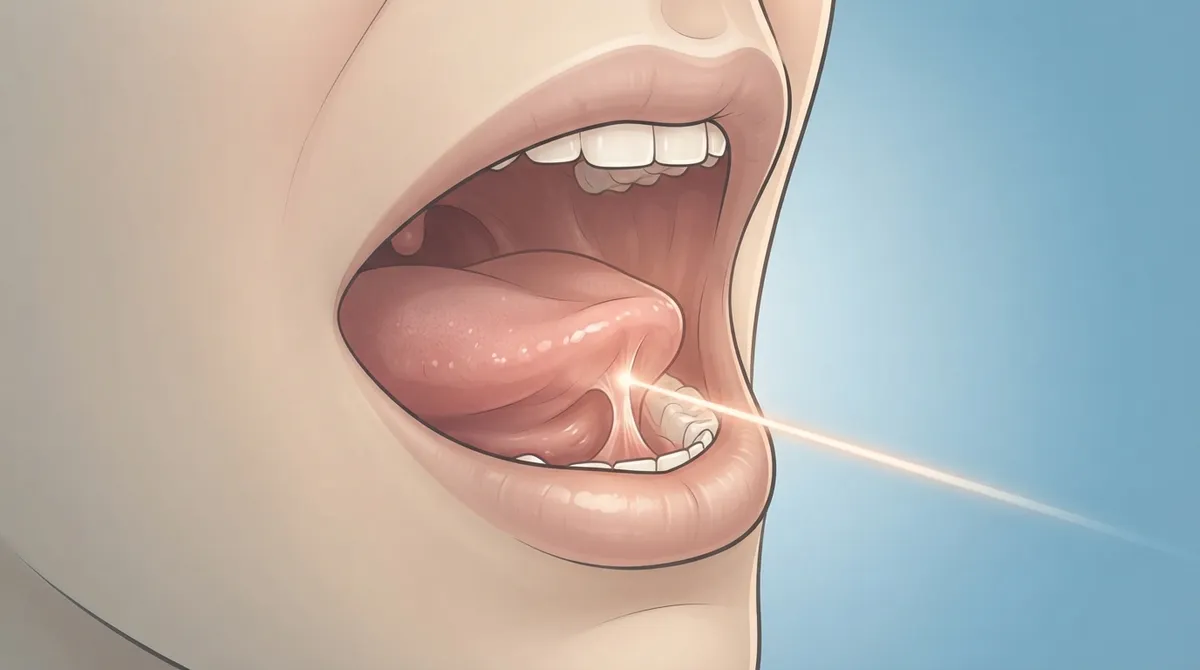
A frenectomy removes or loosens a tight tissue band (frenum) connecting lips, cheeks, or tongue to gums, and can be performed in 15-30 minutes using laser technology for faster healing and reduced bleeding.
Common reasons for frenectomy include breastfeeding difficulties, speech problems, gaps between front teeth, gum recession, and interference with orthodontic treatment or teeth cleaning.
Recovery is typically fast with mild soreness for 1-2 days and swelling subsiding within 24-48 hours; most patients return to normal activities same day, while babies often nurse better almost immediately.
Early treatment of frenum issues supports better long-term outcomes for cosmetic dentistry, orthodontics, denture fit, and dental implant stability, especially when combined with multidisciplinary care teams.
Have you ever heard your dentist mention a small piece of tissue called a "frenum" and wondered what it actually does? You are not alone. Many parents, teens, and adults in Miami come across this word for the first time when a dentist suggests a simple procedure called a frenectomy. It sounds a little scary, but it is actually a quick, common, and very safe treatment that can make a big difference in comfort, speech, and even how well your teeth line up.
At why choose Smile District, we believe every patient deserves a clear, friendly explanation before any treatment. So let's break down exactly what a frenectomy is, why it might be recommended, and what you can expect if you or your child needs one. By the end, you will feel confident and ready to ask the right questions at your next visit.
What Is a Frenectomy in Simple Terms
A frenectomy is a minor dental procedure that removes or loosens a small band of tissue called a frenum (or frenulum). This tissue connects your lips, cheeks, or tongue to the gums or floor of your mouth. Most people have several of these tissue bands, and usually they cause no problems at all.
Sometimes, though, a frenum is too tight, too thick, or attached in the wrong spot. When this happens, it can restrict movement of the lip or tongue. This is where a frenectomy comes in. The dentist gently releases or removes the tissue, giving your mouth more freedom to move naturally.
There are two main types of frenectomy procedures:
Lingual frenectomy: Treats a tight frenum under the tongue, often called "tongue-tie."
Labial frenectomy: Treats a tight frenum connecting the upper or lower lip to the gums, sometimes called "lip-tie."
Why Would Someone Need a Frenectomy
You might be wondering why a tiny piece of tissue would ever require treatment. The truth is, when a frenum is too tight, it can cause a surprising number of everyday problems. Here are the most common reasons a dentist might recommend this procedure:
Difficulty breastfeeding in babies. Tongue-tie or lip-tie can make it hard for infants to latch properly, leading to feeding struggles for both baby and parent.
Speech difficulties. A tight tongue frenum can limit tongue movement, making certain sounds harder to pronounce clearly.
Gaps between front teeth. A thick labial frenum can push teeth apart, creating a noticeable gap that may need cosmetic correction later.
Gum recession. Constant pulling from a tight frenum can stress the gum tissue, sometimes leading to recession over time.
Trouble with orthodontic treatment. A tight frenum can interfere with how well braces or clear aligners like Invisalign can close gaps or shift teeth.
Difficulty cleaning teeth properly. Restricted tongue or lip movement can make brushing and flossing harder, raising the risk of cavities and gum disease.
Signs You or Your Child Might Need a Frenectomy
How do you know if this procedure is right for you or your little one? While only a dentist can make a final diagnosis, there are some common warning signs worth watching for.
In Babies and Young Children
Trouble latching during breastfeeding or frequent feeding frustration
Clicking sounds while feeding
Poor weight gain despite frequent feeding
A noticeable heart-shaped tip when the tongue is stuck out
Limited tongue movement side to side or up and down
In Older Children and Adults
Speech sounds that are hard to pronounce, like "th," "r," or "l"
A visible gap between the two front teeth
Gum recession near the front teeth
Discomfort when eating certain foods
Trouble sticking the tongue out past the lower lip
If any of these sound familiar, it may be worth scheduling a consultation. Our team at Smile District welcomes new patients who want answers to these exact kinds of questions.
What Happens During a Frenectomy Procedure
One of the best parts of modern dentistry is how quick and comfortable these procedures have become. Here is a simple step-by-step look at what typically happens:
Consultation and exam. Your dentist checks the frenum, discusses your symptoms, and explains whether a frenectomy is the right choice.
Numbing the area. A local anesthetic is applied so you feel little to no discomfort during the procedure.
Releasing the tissue. Using a laser or precise dental tools, the dentist carefully releases or removes the tight tissue band.
Aftercare instructions. You will receive simple guidance on cleaning the area, foods to avoid, and any stretching exercises if needed.
Follow-up visit. A quick check-in ensures everything is healing properly and your mouth is moving comfortably.
Many dental offices now use soft-tissue lasers for this procedure. Lasers tend to reduce bleeding, lower the chance of infection, and speed up healing compared to traditional methods. This is part of the advanced technology approach that Dr. Sanchez and her team bring to every treatment plan at Smile District.
Recovery: What to Expect After the Procedure
Good news: recovery from a frenectomy is usually fast. Most patients feel back to normal within a few days. Here is what typical healing looks like:
Mild soreness or tenderness for the first day or two
Slight swelling that goes down within 24 to 48 hours
Soft foods recommended for a few days after treatment
Gentle stretching exercises for the tongue or lip, if advised by your dentist
A follow-up appointment to confirm proper healing
Babies usually bounce back within hours and can often nurse better almost immediately. Older children and adults may notice mild discomfort but can typically return to normal activities the same day.Frenectomy and Its Connection to a Confident SmileYou might be surprised to learn how closely a frenectomy connects to cosmetic dentistry goals. A tight labial frenum, for example, can create or worsen a gap between the front teeth. Fixing the frenum early can prevent the gap from returning after treatments like dental veneers or orthodontic work.For adults considering a full smile makeover, addressing frenum issues first can support longer-lasting results. This is especially true if you are also exploring cosmetic dentistry options designed to give you the smile you have always wanted.Frenectomy for Families and Seniors AlikeWhile frenectomies are often discussed in relation to babies and children, adults of all ages can benefit too. Some seniors develop frenum-related gum recession over the years, which can affect the fit of dentures or the stability of dental implants. Addressing this tissue early can support better long-term outcomes for restorative work.For Miami's Hispanic community and other families seeking compassionate, culturally understanding care, Smile District aims to explain every step in a way that feels comfortable and clear. No question is too small, and every patient deserves to fully understand their treatment before moving forward.Why Choose Smile District for Your FrenectomyChoosing the right dental team matters, especially for a procedure involving delicate tissue. Here is what sets Smile District apart:
Advanced technology, including laser treatment options for gentler, faster procedures
A warm, judgment-free environment for patients of every age
Personalized treatment plans built around your unique needs
A team that takes time to answer every question with patience and care
If you are new to the Miami area and looking to establish care with a trusted local practice, we would love to welcome you. You can browse our full range of services to see how we support patients from childhood through the senior years, including family dentistry for every generation.Curious what real patients say about their experience? You can read patient reviews or check out Visit us on Google — Smile District to see feedback from your Miami neighbors. We also share smiles and updates on our Smile District Facebook page and our Smile District Instagram page, so you can get a feel for our community before your first visit.Working With Specialists for Complete CareSometimes, a frenectomy is just one piece of a bigger care plan. For babies with feeding challenges, working alongside lactation consultants or feeding specialists can make a real difference. For patients recovering from oral surgery who need extra support with movement or muscle function, teams like West Florida Therapy can offer helpful therapy services that complement your dental care. According to the National Institute of Dental and Craniofacial Research, early treatment of oral tissue issues can support better long-term oral health outcomes, especially when paired with a full care team.Frequently Asked Questions Are Coming Up NextStill have questions about frenectomy procedures? That is completely normal, and we have gathered some of the most common ones below to help you feel fully prepared.Ready to Take the Next StepA frenectomy might sound like a big word, but it is a small procedure that can lead to big improvements in comfort, speech, and confidence. Whether you are a parent concerned about feeding struggles, an adult noticing a stubborn gap between your front teeth, or a senior wanting your restorative work to fit just right, this simple treatment could be the missing piece of your smile puzzle.Our friendly team is ready to answer your questions and walk you through every step with care. Feel free to contact us to schedule a consultation, or simply call us at 305-209-2270 to speak with someone today. We cannot wait to help you and your family feel confident, comfortable, and cared for at every visit.FAQsQ: Does a frenectomy hurt?A: Not really! Your dentist will numb the area first, so most patients feel little to no pain during the procedure. Afterward, you might feel mild soreness for a day or two, kind of like a small canker sore.Q: How long does a frenectomy take?A: This is one of the quickest dental procedures out there, often finished in just 15 to 30 minutes. Many patients are surprised at how fast it goes, especially when laser technology is used.Q: Is a frenectomy only for babies?A: Not at all! While it's common for infants with tongue-tie or lip-tie, plenty of children, teens, and adults benefit from this procedure too, especially those dealing with speech issues or gaps between teeth.Q: Will my child need to change their diet after treatment?A: Just for a few days! Soft, cool foods are usually recommended right after the procedure to keep your little one comfortable while the area heals.Q: How do I know if I need a frenectomy?A: The best way to know for sure is a quick dental exam. If you're noticing speech trouble, a stubborn tooth gap, or feeding struggles in a baby, it's worth bringing up at your next visit so we can take a look together.