When Do You Need a Dental Crown? Key Signs to Watch
Ever bite into something and feel a weird crack in your tooth? Or maybe your dentist mentioned a crown and you're wondering if that's really necessary. You're not alone. So many folks in Miami come to us with the same question: when do you need a dental crown, and how do you know it's the right fix? Let's break it down together, in plain and simple terms, so you can feel confident about your next step.
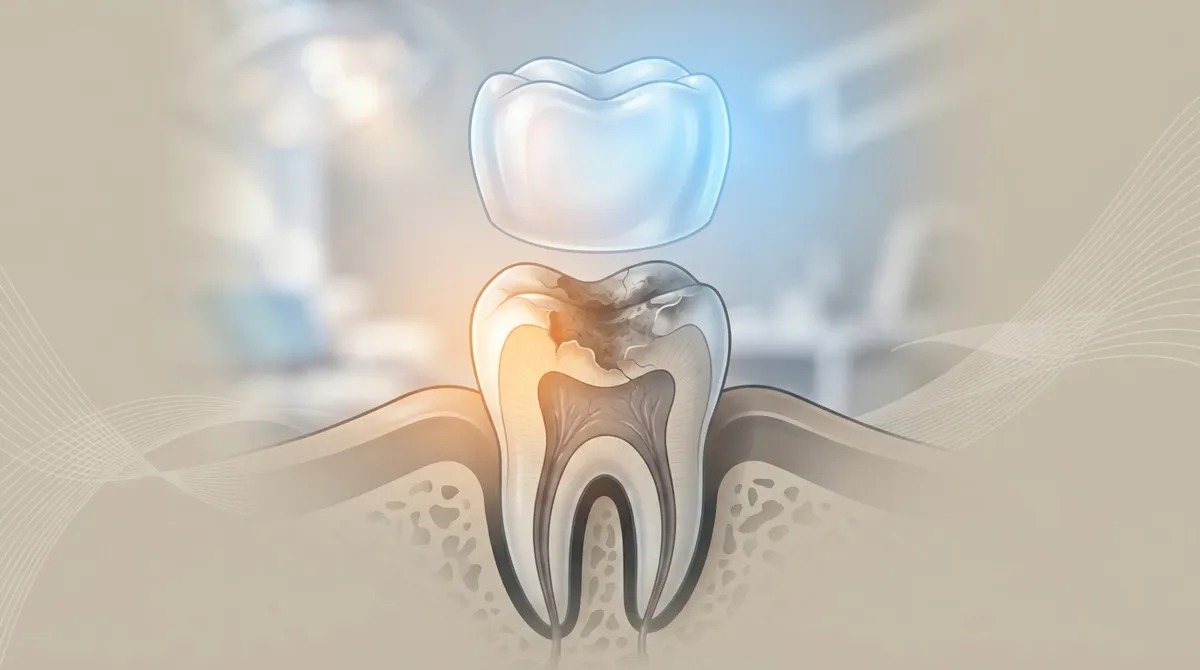
A dental crown is basically a cap that covers a damaged tooth. Think of it like a helmet for your tooth. It restores strength, shape, and looks while protecting what's left of your natural tooth. Whether you're dealing with a cracked molar, a large cavity, or you just finished a root canal, a crown might be exactly what your smile needs. Here at Smile District, we love helping patients understand their options with warmth and zero judgment. Let's talk about the signs that mean it's crown time.

A dental crown is a custom-made cover that fits right over your tooth. It's shaped like a tiny tooth-shaped cap and gets cemented into place. Crowns can be made from porcelain, ceramic, metal, or a mix of materials, depending on your needs and where the tooth sits in your mouth.
The goal is simple. A crown protects a weak or damaged tooth from further harm. It also brings back your ability to chew, speak, and smile without worry. Many patients say their crowned tooth feels just like a natural one again, which is always a wonderful thing to hear.

Not sure if your tooth troubles call for a crown? Here are the most common reasons dentists recommend one:
If any of these sound familiar, it's worth scheduling a checkup. Our team at Smile District can take a look and let you know exactly what your tooth needs, no guesswork involved.
Great question. Every mouth is different, and the right treatment depends on a few things. Here's what dentists usually consider:
At Smile District, we use digital X-rays, intraoral cameras, and 3D cone beam imaging to get a full picture before recommending anything. This kind of detailed view helps us build a plan that's actually right for you, not a one-size-fits-all guess. You can read more about what makes dental crowns the right fix for your smile to get a deeper look at how these decisions are made.
Constant tooth pain, especially when chewing, often points to a crack or deep decay. Ignoring it usually makes things worse, so it's best to get it checked quickly. A crown can stop the pain by protecting the tooth from further stress.
Many patients wait too long because they're nervous about dental visits. That's completely understandable, but here's some good news: modern crown procedures are quick, comfortable, and often pain-free with today's numbing techniques and gentle care approaches.
Fillings don't last forever. Over time, they can crack, leak, or loosen. When this happens, the tooth underneath is at risk. A crown often replaces an old filling to give the tooth a fresh layer of protection.
If you grind your teeth at night, you might already have some wear and tear. Grinding puts a lot of pressure on your teeth, and over time, this can cause cracks or flattening. Crowns can rebuild the tooth's shape and hold up better against the pressure.
Crowns aren't just for saving damaged teeth. They also play a big role in restorative dentistry for people who've lost teeth. Whether it's supporting a bridge or topping off an implant, crowns help you chew, speak, and smile with confidence again. If you're curious about how implants and crowns work together, check out our article on how dental implants work at Smile District in Miami FL.
Getting a crown is usually a simple process. Here's what you can expect, step by step:
Most patients say the whole thing feels much easier than they expected. And honestly, that relief on their faces afterward is one of our favorite parts of the job.
Choosing where to get your dental crown matters just as much as knowing you need one. Comfort, skill, and technology all play a role in getting results that look natural and last a long time. That's exactly what you'll find with why choose Smile District, where advanced tools meet genuinely caring service.
Under the guidance of Dr. Sanchez, our Miami practice focuses on anxiety-free visits and treatment plans built around your specific goals. Whether you need a single crown or a full cosmetic dentistry makeover, we walk you through every step with patience and clear explanations.
Many of our patients, especially those in the Hispanic community, appreciate having a provider who understands their needs and communicates with genuine warmth. Dr. Sanchez and our team pride ourselves on making everyone feel welcome, heard, and cared for, no matter their background or dental history.
Once your new crown is in place, a little care goes a long way. Here are some simple tips to help it last:
With good care, most crowns last between 10 and 15 years, sometimes even longer. That's a solid investment in your smile and your confidence.
Some situations call for quicker action. You should schedule a visit soon if you notice:
Waiting too long can turn a simple crown procedure into something more complicated, like a root canal or even tooth loss. It's always better to catch problems early. If you're new to the area, establishing care with a trusted local dentist is a smart move. Learn more about becoming a new patient at Smile District today.
Nothing beats hearing from people who've walked this path before you. Our patient reviews share honest experiences from folks across Miami who found relief and renewed confidence through crowns and other restorative treatments. You can also see what our Smile District community says on our guide to healthy, happy smiles in Miami, and follow our day-to-day patient moments on our Smile District Instagram page or Smile District Facebook page.
According to the American Dental Association, crowns remain one of the most reliable ways to protect and restore damaged teeth, and studies published by the National Institute of Dental and Craniofacial Research continue to support their long-term success rates when properly maintained.
Taking care of your smile is part of taking care of your whole life. If you're planning a getaway to relax after your dental visit, the folks at Panther Pools can help you create the perfect backyard oasis to unwind in. And if travel is on your mind, the International Driving Permit Association (IDPA) makes it easy to prepare for international road trips. A healthy smile and a little adventure go hand in hand.
Knowing when you need a dental crown doesn't have to feel confusing or scary. If you're dealing with tooth pain, a crack, or just want your smile to look and feel its best, we're here to help every step of the way. Our friendly Miami team combines advanced technology with genuine care to make sure you leave with a smile you love.
Ready to take the next step? Contact us today or call us at 305-209-2270 to schedule your consultation. You can also see what real patients say by visiting us on Google — Visit us on Google — Smile District. We can't wait to help you smile with confidence again.
Q: How do I know if I need a dental crown or just a filling?
A: If more than half your tooth is damaged or decayed, a filling usually won't hold up well. Your dentist will check the strength of the remaining tooth structure and recommend a crown if extra support is needed. A quick exam at Smile District can settle the question with confidence.
Q: Does getting a dental crown hurt?
A: Not at all, most patients say it's much easier than they expected. We use gentle numbing techniques so you stay comfortable throughout the entire procedure. Any mild soreness afterward usually fades within a day or two.
Q: How long does a dental crown last?
A: With good care, a crown typically lasts between 10 and 15 years, and sometimes even longer. Brushing, flossing, and regular checkups make a big difference in how long it holds up. Avoiding hard foods like ice also helps protect it.
Q: Can a dental crown fix a discolored or misshapen tooth?
A: Absolutely, crowns are a popular cosmetic solution for teeth that are stained, oddly shaped, or don't match the rest of your smile. They're custom-made to blend naturally with your other teeth. Many patients love how much more confident they feel afterward.
Q: What's the difference between a temporary and permanent crown?
A: A temporary crown protects your tooth while your custom permanent crown is being made, usually in a lab. It's not meant to last long, so it's important to keep your follow-up appointment. Your permanent crown will fit more precisely and last for many years.
Please call 305.209.2270 or click below to schedule an appointment online. We can't wait to meet you!