When Is Wisdom Teeth Removal Necessary?
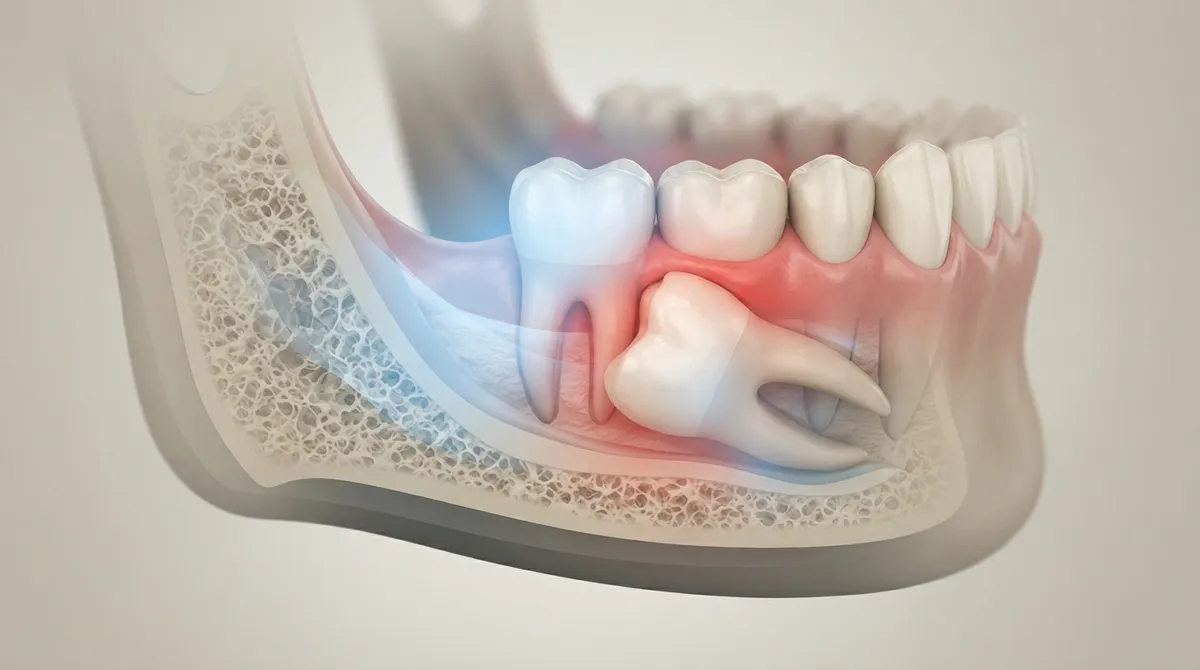
That dull ache in the back of your mouth might be more than just a passing annoyance. Wisdom teeth have a funny way of showing up uninvited, usually in your late teens or early twenties, and they don't always leave room for a warm welcome. If you're wondering whether that nagging discomfort means it's time for action, you're not alone. So many of our neighbors here in Miami ask us this exact question every week.
Wisdom teeth removal isn't something dentists recommend just to fill up a schedule. There are real, clear reasons why these back molars sometimes need to go. In this guide, we'll walk through the signs, the risks of waiting too long, and what you can expect if extraction becomes part of your plan. Whether you're a busy Miami parent, a new area mover looking for a dental home, or someone who's simply curious about that tender spot in your jaw, we've got friendly, honest answers for you.

Wisdom teeth are the third set of molars that usually show up between ages 17 and 25. Most people have four of them, one in each corner of the mouth. Long ago, our ancestors needed these extra teeth to chew tough, raw foods. Today, our jaws have gotten smaller, but the teeth haven't gotten the memo.
That mismatch is exactly why wisdom teeth cause so much trouble. There's often just not enough space for them to grow in properly. According to the National Institute of Dental and Craniofacial Research, this lack of room is one of the biggest reasons dentists keep a close eye on these late-arriving teeth.

Not every set of wisdom teeth needs to come out. Some people get lucky and theirs grow in straight, healthy, and pain-free. But for many others, trouble brews beneath the gum line long before it's visible. Here are the most common signs that removal might be on the horizon.
Ongoing pain at the back of your jaw is one of the clearest signals. This can happen when a wisdom tooth is impacted, meaning it's stuck against another tooth or trapped under the gum. Swelling near the jaw or cheek often comes along with it, and it usually doesn't just disappear on its own.
An impacted wisdom tooth is one that doesn't have enough room to fully emerge. It might grow sideways, push into neighboring teeth, or stay partially buried under the gum tissue. Left untreated, impacted teeth can lead to infection, cysts, or damage to nearby teeth.
If you've invested time and money into a straighter smile with Invisalign or braces, the last thing you want is your wisdom teeth pushing everything out of alignment. Many dentists recommend removal specifically to protect the results of orthodontic treatment.
Partially erupted wisdom teeth create hard-to-reach pockets where bacteria love to hide. This raises your risk for gum disease, which can spread to nearby teeth if not addressed quickly.
In rare cases, a sac of fluid can form around an impacted wisdom tooth. Over time, this can develop into a cyst that damages the jawbone or surrounding teeth. Removing the tooth early helps prevent this more serious complication.
Pericoronitis is an infection that happens when gum tissue around a partially erupted wisdom tooth becomes inflamed. It can cause bad breath, jaw stiffness, and swollen lymph nodes. If this keeps happening, extraction is usually the long-term fix.
You don't have to diagnose yourself at home. But knowing what to watch for helps you act quickly instead of waiting until things get worse. Consider booking a visit if you notice any of these:
Our team put together a helpful breakdown of these symptoms in our article on signs it's time to see a dentist about wisdom teeth removal in Miami. It's worth a read if you're on the fence about scheduling an appointment.
Deciding whether to remove a wisdom tooth isn't a guessing game. Dentists rely on a mix of visual exams and imaging technology to make the right call. Here's how the process usually works at a modern practice.
At Smile District, we use advanced imaging like digital X-rays and cone beam 3D scans to get a full picture before recommending any treatment. This means you're never guessing about what's happening beneath the surface. Learn more about why choose Smile District for this kind of thorough, technology-driven care.
We get it. Nobody loves the idea of having a tooth pulled. But putting off necessary wisdom teeth removal can lead to bigger headaches down the road, both literally and figuratively. Here's what can happen if problem teeth are left untreated:
The American Dental Association's MouthHealthy resource notes that early evaluation of wisdom teeth, often around the teen years, gives dentists the best chance to catch problems before they escalate. Waiting doesn't usually make things easier. It tends to make treatment more complicated.
If your dentist recommends extraction, here's the good news: the process is well understood, routine, and designed with your comfort in mind. Here's a simple breakdown of what typically happens.
If dental anxiety has kept you from addressing this in the past, you're not alone, and you're in good hands. Many practices, including ours, offer sedation options to keep you relaxed and pain-free throughout the process. Read more about the benefits of sedation dentistry for a pain-free, worry-free visit.
Healing from wisdom teeth removal is usually quick, especially if you follow a few simple guidelines. Most people feel back to normal within a few days to a week.
If you experience unusual pain, fever, or bleeding that doesn't stop, reach out to your dental team right away. It's always better to check in than to worry alone.
Wisdom teeth issues aren't just a teenager's problem. Here's how they can affect different groups in our Miami community.
This is the most common age group for wisdom teeth removal. Catching problems early, often between ages 16 and 20, tends to make the procedure simpler and recovery faster.
Some adults put off removal for years, only to develop complications later. It's never too late to get evaluated, and modern imaging makes even complex cases manageable.
While less common, older adults can still experience issues with wisdom teeth, especially if they were never removed. Combined with other restorative needs like dental implants or dentures, addressing wisdom teeth becomes part of a broader plan for oral health.
Wisdom teeth removal is a common procedure, but that doesn't mean it should feel routine or rushed. You deserve a team that takes time to explain your options, answers your questions with patience, and uses modern technology to plan your care carefully.
At Smile District, Dr. Sanchez and her team believe in anxiety-free, compassionate dentistry for every patient, whether you're here for a routine cleaning or a more involved procedure like wisdom teeth removal. We proudly serve families, longtime Miami residents, and newcomers alike, and we're honored to be part of so many smile journeys across our community. You can browse patient reviews to see how we've helped others feel confident and comfortable throughout their care.
We also love connecting with our community online. Follow along on our Smile District Facebook page or check out smiles and updates on our Smile District Instagram page. And if you'd like to hear directly from our patients, feel free to visit us on Google — Smile District to read their experiences firsthand.
So, when is wisdom teeth removal necessary? The short answer is: when pain, crowding, infection, or impaction start affecting your oral health and quality of life. The best way to know for sure is a proper evaluation with imaging and a conversation with a dentist who genuinely listens to your concerns.
You don't have to navigate this alone or guess whether that ache is something serious. Our friendly team at Smile District is here to walk you through every step, from the first exam to full recovery, with warmth and expertise. If you're ready to get answers and peace of mind, reach out to our team today or simply call us at 305-209-2270 to schedule your consultation. Your comfortable, confident smile is worth it.
Q: When is wisdom teeth removal necessary versus optional?
A: Removal becomes necessary when wisdom teeth cause pain, infection, crowding, or impaction. If yours are growing in straight with plenty of room and no symptoms, your dentist may simply monitor them at regular checkups instead.
Q: What age is best for wisdom teeth removal?
A: Most dentists recommend removal between ages 16 and 20, when roots aren't fully formed and recovery tends to be easier. That said, it's never too late to get evaluated if you're experiencing issues later in life.
Q: How do I know if my wisdom teeth are impacted?
A: Common signs include pain in the back of your jaw, swelling, difficulty opening your mouth, or a bad taste that won't go away. A dental exam with digital X-rays gives the clearest answer, so don't hesitate to get checked out.
Q: Is wisdom teeth removal painful?
A: Thanks to local anesthesia and sedation options, most patients feel little to no pain during the procedure itself. Mild soreness during recovery is normal, but it's usually manageable with rest, ice, and your dentist's aftercare tips.
Q: Can wisdom teeth cause problems even if they're not painful?
A: Absolutely, silent problems like cysts, gum disease, or crowding can develop without obvious pain. That's why regular checkups and imaging are so important, even if your wisdom teeth feel fine for now.
Please call 305.209.2270 or click below to schedule an appointment online. We can't wait to meet you!