Why Do Dentists Recommend Checkups Every Six Months?
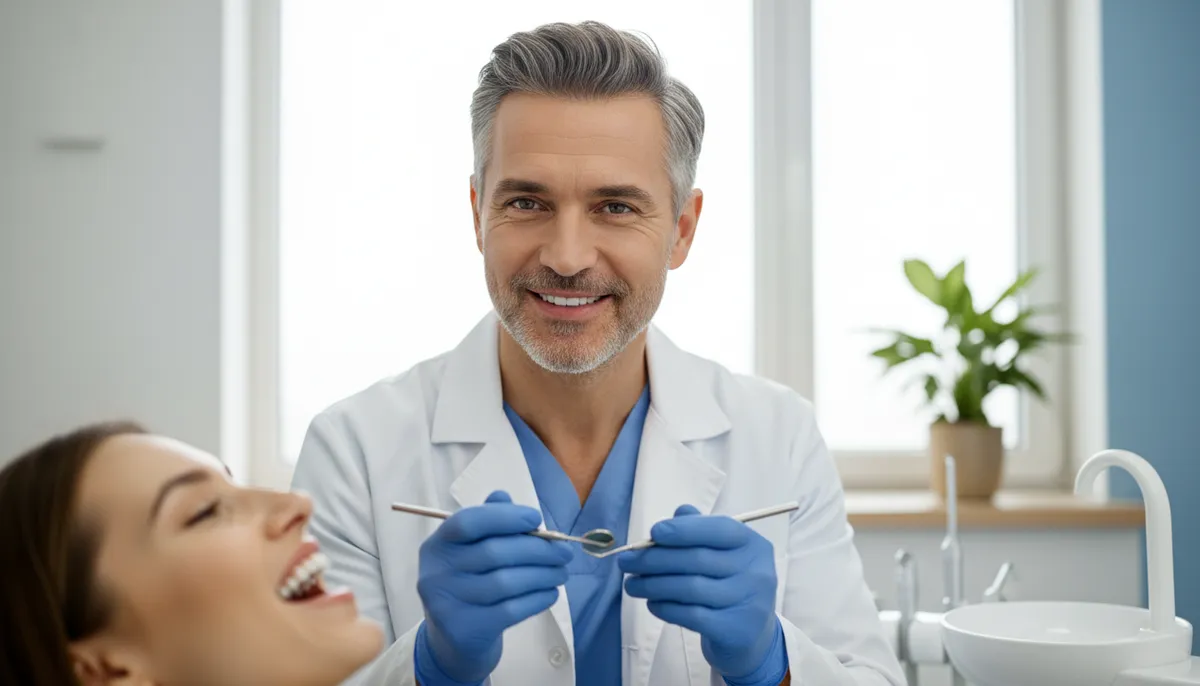
Have you ever wondered why your dentist wants to see you twice a year, even when your teeth feel perfectly fine? It's not just about keeping their appointment book full—there's real science and genuine care behind this recommendation. Regular dental visits are your first line of defense against serious oral health problems that often start small and silent. Think of your dentist as a detective who can spot trouble before it becomes painful or expensive to fix.
At Smile District, we've seen firsthand how preventive care transforms lives. Dr. Sanchez knows that catching issues early means fewer surprises, less discomfort, and healthier smiles for years to come. Whether you're a busy parent juggling family schedules or someone who's avoided the dentist for years, understanding the "why" behind these visits can change your perspective entirely. Let's explore what really happens during those checkups and why they matter more than you might think.
The six-month rule isn't random—it's based on decades of research about how quickly dental problems develop. Most cavities and gum issues take several months to progress from barely noticeable to requiring treatment. By seeing you twice yearly, your dentist catches problems in their earliest, most treatable stages. This timing also allows for professional cleaning that removes buildup your toothbrush simply can't reach, no matter how diligently you brush at home.
Many people think dental visits are just about getting their teeth cleaned, but there's so much more going on. A comprehensive checkup involves several important steps that work together to protect your oral health. Understanding each part helps you appreciate the value you're receiving and why skipping visits can be risky.
Your dentist examines every tooth surface, looking for early signs of decay, cracks, or wear patterns. They check your gums for inflammation or pockets that might indicate gum disease. The soft tissues of your mouth—tongue, cheeks, throat—get inspected for any unusual spots or changes. This oral cancer screening is a critical but often overlooked benefit of regular visits. According to recent data, early detection during routine dental exams has significantly improved outcomes for oral cancer patients.
Modern dentistry in 2026 has become incredibly advanced. Many practices now use AI-powered diagnostic systems that can spot cavities 30% faster than traditional methods alone. These tools analyze X-rays with remarkable precision, catching problems that might be invisible to the naked eye. Dr. Sanchez combines this technology with her extensive training to provide thorough, compassionate care that addresses both immediate concerns and long-term oral health goals.
Even if you brush twice daily and floss regularly, plaque and tartar still accumulate in hard-to-reach areas. Your dental hygienist uses specialized tools to remove these deposits that harden into tartar, which your toothbrush cannot eliminate. This cleaning prevents gum disease and keeps your teeth looking their best. The polishing step that follows smooths tooth surfaces, making it harder for new plaque to stick.
During cleaning, hygienists often identify areas where your home care routine could improve. They might notice you're missing certain spots when brushing or show you better flossing techniques. This personalized coaching helps you become more effective between visits. In 2026, dental hygienists have expanded roles that include providing telehealth consultations and performing certain procedures under supervision, making dental care more accessible than ever.
Here's a truth that might surprise you: avoiding the dentist actually costs more in the long run. A small cavity caught early might require a simple filling costing a few hundred dollars. That same cavity, left untreated, can progress to require a root canal and crown—potentially thousands of dollars. Even worse, you might lose the tooth entirely and need an implant or bridge.
The financial math is straightforward. Most dental insurance plans cover preventive visits at 100% because insurers know prevention is cheaper than treatment. By investing in regular checkups, you're actually protecting your wallet. Consider these common scenarios:
Beyond finances, there's the pain factor. Dental emergencies are excruciating and always seem to happen at the worst times—during vacations, on weekends, or right before important events. Emergency dental care is stressful and expensive. Regular checkups dramatically reduce your risk of experiencing that 3 AM toothache that sends you searching for emergency services.
Your mouth isn't separate from the rest of your body—it's deeply connected to your overall health. Research continues to reveal links between gum disease and serious conditions like heart disease, diabetes, and stroke. Bacteria from infected gums can enter your bloodstream and contribute to inflammation throughout your body. Pregnant women with gum disease face higher risks of premature birth and low birth weight babies.
Your dentist might be the first healthcare provider to notice signs of systemic problems. They can spot symptoms of diabetes, vitamin deficiencies, acid reflux, and even certain autoimmune diseases during routine exams. This makes your dental checkup an important part of your overall healthcare strategy, not just about keeping your smile bright. For families seeking comprehensive care, family dentistry services ensure everyone from young children to seniors receives age-appropriate preventive care.
While cavity detection is important, your dentist is actually checking for dozens of potential issues during your exam. Understanding the full scope of what they're looking for helps you appreciate the complexity and value of these appointments. Here's what a thorough examination includes:
Each of these elements tells your dentist something important about your oral health trends. Are your teeth wearing down from grinding? Is there early gum recession that needs attention? Are old fillings starting to fail? Catching these issues early prevents bigger problems and helps your dentist create a personalized care plan tailored to your specific needs and risk factors.
The American Dental Association emphasizes that personalized care based on individual risk factors is the future of dentistry. Someone with a history of cavities might benefit from more frequent cleanings, while others with excellent oral health might safely extend to slightly longer intervals between visits. Your dentist makes these recommendations based on your unique situation, not a one-size-fits-all approach.
If you've avoided the dentist because of anxiety or fear, you'll be happy to know that dental visits in 2026 are nothing like they used to be. Modern practices use advanced technology that makes procedures faster, more comfortable, and more precise. Digital X-rays use 90% less radiation than traditional films and display images instantly. Intraoral cameras let you see exactly what your dentist sees, helping you understand why certain treatments are recommended.
Many practices now offer sedation options for anxious patients, from mild nitrous oxide to deeper conscious sedation. Laser dentistry can treat cavities and gum issues with minimal discomfort. Even the sounds and smells that used to make dental offices unpleasant have been addressed—many offices now feel more like spas than medical facilities. The focus has shifted to creating comfortable, stress-free experiences that keep patients coming back.
While six months is the standard recommendation, some patients benefit from more frequent checkups. If you fall into certain risk categories, your dentist might suggest visits every three to four months. This isn't about making extra money—it's about providing the level of care your specific situation requires.
People with active gum disease often need more frequent cleanings to manage the condition and prevent progression. Those with a history of frequent cavities might benefit from additional fluoride treatments and monitoring. Smokers, diabetics, and people with dry mouth conditions face higher risks of dental problems and may need closer monitoring. Patients undergoing orthodontic treatment or with extensive dental work also typically see their dentist more often.
The good news is that increased visit frequency is often temporary. Once your oral health stabilizes, you can usually return to the standard six-month schedule. Think of it like physical therapy—you go more frequently at first to address the problem, then transition to maintenance visits. Your dentist will always explain why they're recommending a specific schedule and what goals they're trying to achieve.
Dental needs change throughout your life, and visit frequency might adjust accordingly. Children should start seeing the dentist when their first tooth appears or by their first birthday. Early visits establish good habits and catch developmental issues before they become problems. Teens going through orthodontic treatment need regular monitoring to ensure their teeth are moving correctly.
During pregnancy, hormonal changes increase the risk of gum disease, so expectant mothers often benefit from additional cleanings. Seniors face unique challenges like dry mouth from medications, which increases cavity risk. They might also need more frequent monitoring of existing dental work or assessment for dentures or implants. Understanding these life-stage variations helps you advocate for the care you or your family members need.
Getting the most from your dental appointments starts before you even sit in the chair. Come prepared with a list of any concerns or changes you've noticed—tooth sensitivity, bleeding gums, jaw pain, or anything that feels different. Don't minimize symptoms, thinking they're not important enough to mention. Your dentist needs complete information to provide the best care.
Be honest about your home care routine and any challenges you're facing. If you struggle with flossing, say so. If you've been skipping brushing some nights, admit it. Your dentist isn't there to judge you but to help you improve. They can suggest easier techniques or products that might work better for your specific situation. Honesty leads to better, more personalized advice.
After your appointment, actually follow the recommendations you receive. If your hygienist suggests a different toothbrush or shows you a new flossing technique, give it a try. If your dentist recommends addressing a small cavity now rather than waiting, schedule that follow-up appointment. The best treatment plan in the world only works if you actively participate in your own care. For those seeking a dental home that emphasizes partnership and patient education, exploring our services can be an excellent starting point.
Don't leave your appointment with unanswered questions. Your dental team wants you to understand your oral health and feel confident about your care plan. Here are important questions worth asking:
Good dentists appreciate engaged patients who take an active interest in their oral health. Asking questions shows you value your dental care and want to be a partner in maintaining your smile. Don't worry about asking something that seems basic—if you don't understand something, it's important to speak up.
Despite knowing they should visit the dentist regularly, many people still avoid making appointments. Understanding and addressing these common barriers can help you prioritize your oral health and establish a consistent routine of preventive care.
Cost concerns top the list of reasons people skip dental visits. If you don't have insurance, ask about payment plans or membership programs that many practices offer. Some offices provide significant discounts for paying cash upfront or enrolling in annual care plans. Community health centers often offer sliding-scale fees based on income. The key is communicating with the dental office about your financial situation—they've heard it all before and often have solutions you don't know about.
Dental anxiety keeps countless people away from needed care. If fear is your barrier, start by finding a dentist who specializes in treating anxious patients. Look for practices that emphasize comfort and offer sedation options. Schedule a consultation visit where you just meet the team and see the office without any treatment. New patients at practices focused on compassionate care often find their anxiety melts away when they experience a truly patient-centered approach.
Busy schedules make it hard to fit in dental appointments, especially for parents managing multiple family members' healthcare needs. The solution is treating dental checkups as non-negotiable appointments, just like important work meetings or school events. Book your next appointment before you leave the office, and choose times that work best for your schedule—early morning, lunch hour, or late afternoon slots.
Many practices now offer extended hours and weekend appointments to accommodate working professionals. Some even provide family appointment blocks where multiple family members can be seen consecutively, saving you multiple trips. Invisalign and other modern treatments often require fewer office visits than traditional approaches, making it easier to maintain your smile without disrupting your schedule.
Dentistry continues to evolve rapidly, with innovations that make preventive care more effective and accessible. In 2026, teledentistry has expanded significantly, with virtual consultations now accounting for about 30% of all dental appointments. These remote visits work well for follow-up checkups, consultations about minor issues, and initial assessments before in-person treatment.
Biomimetic materials that mimic natural tooth structure are revolutionizing restorative dentistry. Self-healing dental composites can repair minor damage on their own, potentially extending the life of fillings and reducing the need for replacements. Antibacterial materials help prevent secondary decay around existing dental work. 3D printing technology allows dentists to create custom crowns, bridges, and even orthodontic aligners chairside, often in a single visit.
Artificial intelligence is becoming a standard tool in dental diagnostics, helping dentists spot problems earlier and predict future issues before they develop. These systems analyze patterns in your dental history and risk factors to create personalized prevention plans. The result is more proactive, precise care that keeps you healthier with less intervention. Despite workforce shortages affecting over 35% of dental practices, technology is helping teams provide better care to more patients.
For you as a patient, these innovations translate to faster appointments, more comfortable procedures, and better outcomes. Treatments that once required multiple visits can often be completed in one session. Digital workflows mean less waiting time and more predictable results. Improved materials mean your dental work lasts longer and looks more natural than ever before.
The expansion of cosmetic dentistry services—a market expected to exceed $5.6 billion in 2026—means that addressing both health and aesthetic concerns has become standard practice. Whether you're interested in dental veneers to transform your smile or dental implants to replace missing teeth, modern dentistry offers solutions that were unimaginable just a decade ago. The focus has shifted from simply fixing problems to creating optimal oral health and beautiful smiles that boost confidence.
The most successful dental care happens when you establish a long-term relationship with a practice that knows your history, understands your goals, and celebrates your progress. Constantly switching dentists means starting over each time, with new providers who don't know your unique patterns or concerns. Continuity of care allows your dentist to track subtle changes over years and catch problems at their earliest stages.
Finding the right dental home means looking for more than just technical skills. You want a team that listens to your concerns, respects your time, and explains things clearly. You want a practice that uses modern technology but doesn't make you feel like just another patient on an assembly line. Reading patient reviews can give you insight into what others have experienced and help you identify practices that align with your values and expectations.
When you find a practice you trust, stay loyal. Building that relationship creates mutual investment—your dental team becomes genuinely invested in your success, and you become more committed to maintaining your oral health. This partnership approach, where patient and provider work together toward shared goals, produces the best long-term outcomes. To learn more about the philosophy behind patient-centered care, check out our Smile District Facebook page where we share stories and insights from our community.
If you've been avoiding the dentist or it's been more than six months since your last visit, now is the perfect time to schedule that checkup. Don't let guilt or embarrassment hold you back—dental professionals see patients in all states of oral health, and their job is to help you improve, not judge where you've been. The longer you wait, the more likely small problems will become big ones.
Start by researching practices in your area that emphasize cosmetic dentistry and comprehensive care if those are your interests. Look for offices with positive reviews, modern technology, and team members who genuinely seem to care about patients. Don't be afraid to call and ask questions about their approach, services, and what to expect during your first visit. A good practice will be happy to address your concerns before you even book an appointment.
Remember that taking care of your teeth is an investment in your overall health, confidence, and quality of life. Your smile affects how you feel about yourself and how others perceive you. It impacts your ability to eat comfortably, speak clearly, and live without pain. Regular dental checkups are one of the simplest, most effective ways to protect something that matters deeply to your daily experience and long-term wellbeing.
Ready to experience dental care that prioritizes your comfort and focuses on building lasting oral health? At Smile District, we've created an environment where patients feel welcomed, valued, and genuinely cared for. Dr. Sanchez and our team are committed to providing the compassionate, innovative care that transforms how you think about going to the dentist. Contact us today to schedule your checkup and discover the difference that personalized, patient-centered dentistry makes. You can also visit us on Google to see what our patients are saying about their experiences. Your journey to optimal oral health starts with a single appointment—let's make it happen together!
Connect with us on Smile District Instagram page for daily tips, behind-the-scenes glimpses of our practice, and inspiration for maintaining your healthiest, most confident smile. We're here to support you every step of the way!
Q: How often should I really visit the dentist?
A: Most people benefit from dental checkups every six months, but your specific needs might be different. If you have gum disease, a history of cavities, or certain health conditions like diabetes, your dentist might recommend visits every three to four months. The best schedule depends on your individual oral health status and risk factors.
Q: What's the difference between a dental checkup and a cleaning?
A: A dental checkup is the comprehensive examination your dentist performs, looking for cavities, gum disease, oral cancer, and other issues. A cleaning is performed by your dental hygienist to remove plaque and tartar buildup. Most appointments include both services together, giving you complete preventive care in one visit.
Q: Can I skip dental visits if my teeth feel fine?
A: No, because many serious dental problems develop without causing pain or noticeable symptoms until they're advanced. Cavities, gum disease, and even oral cancer can be present without you feeling anything wrong. Regular checkups catch these issues early when they're easiest and least expensive to treat.
Q: Does dental insurance really cover preventive visits?
A: Most dental insurance plans cover preventive care—including checkups and cleanings—at 100%, with no out-of-pocket cost to you. This makes regular visits an excellent value. If you don't have insurance, many dental offices offer membership plans or payment options to make preventive care affordable.
Q: What should I do if I have dental anxiety?
A: Start by finding a dentist who specializes in treating anxious patients and offers sedation options. Schedule a consultation visit first, just to meet the team and see the office without any treatment. Communicate your fears honestly—modern dental practices have many ways to make your experience comfortable and stress-free.
Please call 305.209.2270 or click below to schedule an appointment online. We can't wait to meet you!